How to Buy Better Sweaters this Winter

A practical guide to fabric, fit, and care tips that actually make sweaters last
One of my favorite pieces of clothing to wear during the winter is a good sweater. There’s something about them that feels comforting in a way few other items do. Almost like a hug from a good friend. Reliable, soft, and easy to settle into.
Because sweaters are worn so often in winter, their quality matters more than we realize. They’re layered under coats, rubbed by bags, and worn repeatedly week after week. And while no sweater is completely immune to wear and tear, the right choices can make the difference between a piece that lasts one season and one that stays with you for years.
This guide breaks down what actually matters when buying sweaters, without the fluff.
Every Sweater Will Pill
The reality about sweaters is that every Sweater will pill.
There’s no fabric, price point, or brand that completely avoids it. Pilling happens because of friction—fibres rubbing against each other, against coats, scarves, and everyday movement.
The goal isn’t to avoid wear and tear entirely. It’s to minimize it and choose sweaters that age well.
How to Make Your Sweaters Last
These three things make the biggest difference: fabric, construction, and care.
1. Start with the fabric
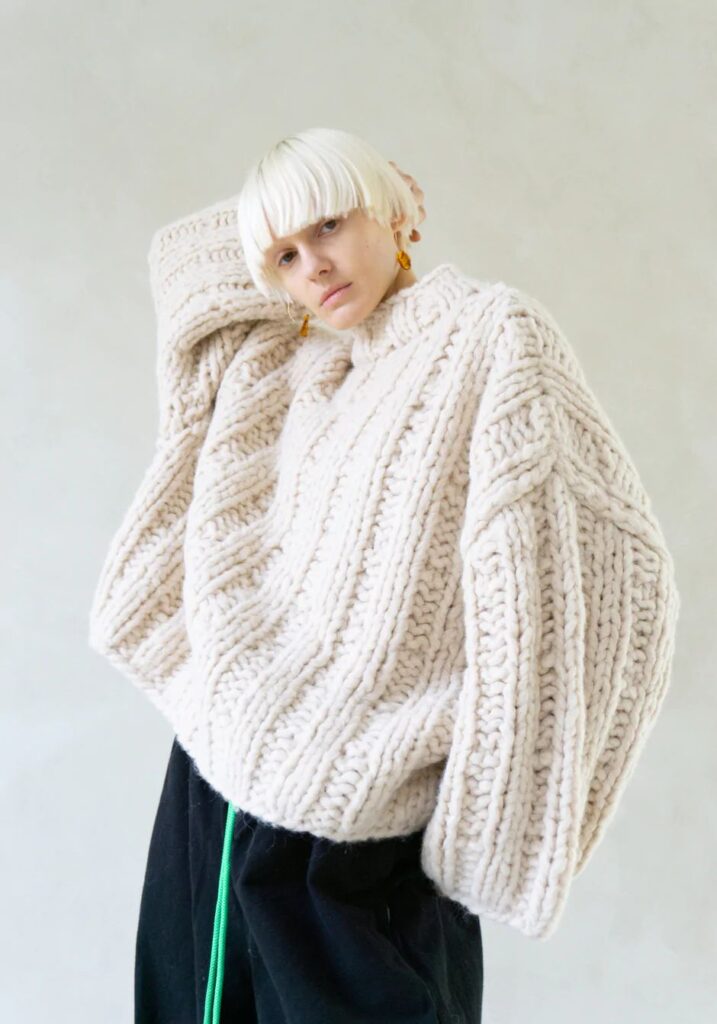
Before anything else, read the label.
The fabric content tells you almost everything about how a sweater will behave over time. Natural fibres consistently outperform synthetic ones when it comes to longevity.
Look for sweaters made from:
- Wool
- Cashmere
- Cotton
- Silk
- Alpaca
These fibres are longer and stronger, which makes them more breathable and more durable. With proper care, they soften with wear rather than breaking down.
Synthetic fibres, on the other hand, are often made from shorter strands. They pill faster, trap heat, and lose structure more quickly. They have a lower price upfront, but usually come with a shorter lifespan.
2. Pay attention to the knit construction
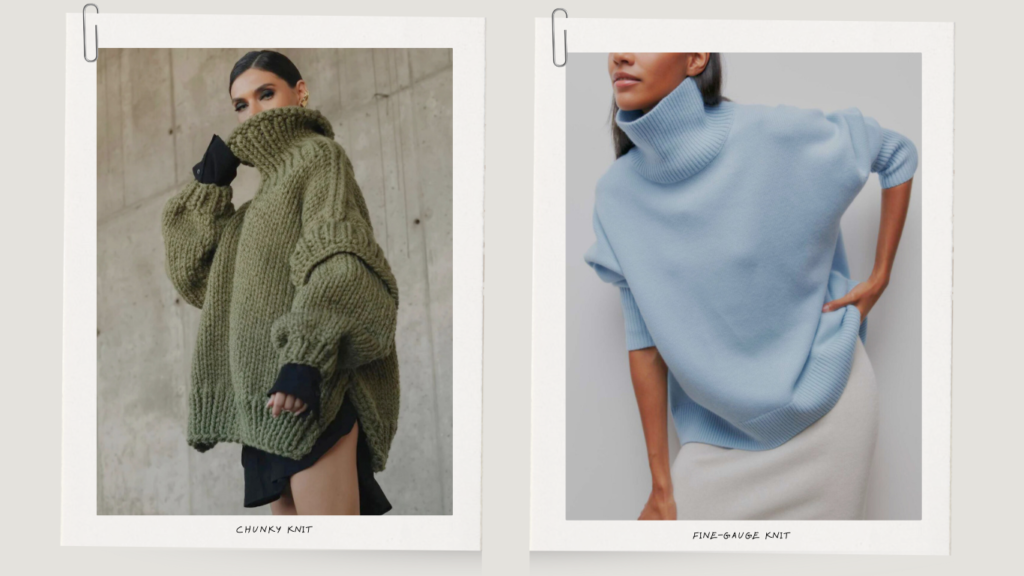
Not all sweaters are built the same, even if they look similar on the rack.
Tightly knit sweaters have stitches packed closely together. This creates a smoother surface, which reduces friction and makes them more resistant to pilling and snagging. These styles tend to look more structured and hold their shape better with frequent wear.
Loose or chunky knits feel cozy and relaxed and absolutely belong in a winter wardrobe. But their open structure makes them more vulnerable to stretching, snagging, and wear. They simply require more care.
Neither option is wrong. The key is knowing what you’re choosing.
3. Care makes or breaks longevity
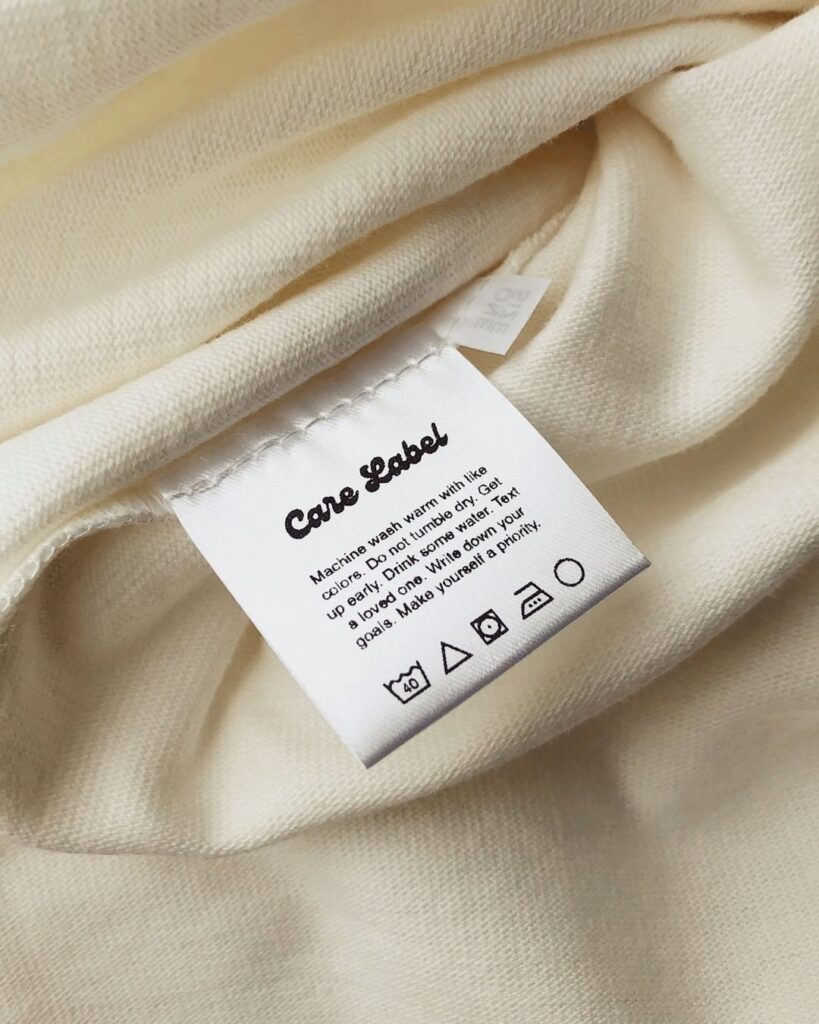
How you care for your sweaters determines how many winters they last.
Always follow the care label for washing and drying. Even high-quality fibres can break down quickly if treated incorrectly.
Here are a few habits that make a noticeable difference:
- Avoid hanging sweaters, which stretches the shoulders, fold them
- Store them in a cool, dry place
These small choices reduce stress on the fibres and help sweaters keep their shape over time.
Every Sweater Will Show Wear, Eventually
Every sweater will show wear eventually. That’s normal.
The difference between a sweater that lasts one winter and one that lasts for years comes down to three things: fabric, construction, and care.
When you understand what you’re buying and how to look after it, your winter wardrobe becomes easier, more reliable, and far more intentional.
If you’d like, I can share my personal list of places I trust for quality sweaters that hold up season after season. Just let me know.