Fashion Freedom Doesn’t Mean Wearing Less. Paris Just Proved It.
Paris just hosted its first Modest Fashion Week. The collections were anything but boring.
Growing up, my dad had a rule. No trousers. I followed it without question, my sister eventually rebelled, and my dad did what parents do when they realise they are fighting a losing battle. He gave in.
We got the trousers. But something from those years stayed with me — that how you dress carries weight. That it can mean something. Paris Modest Fashion Week just put that feeling on a runway, and I have not stopped thinking about it since.
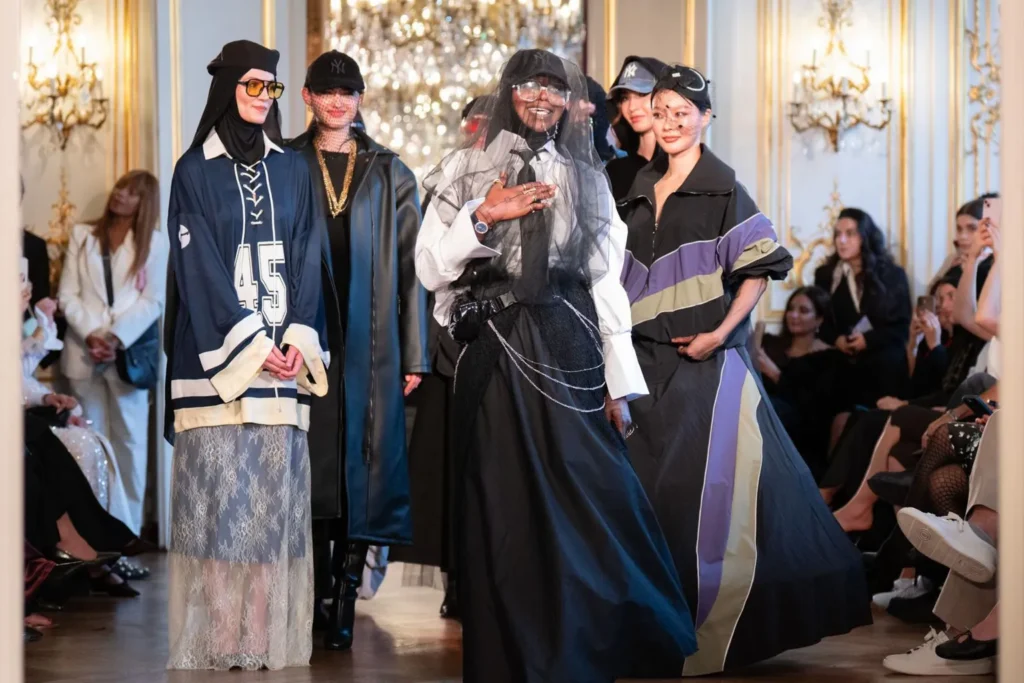
What Actually Happened in Paris
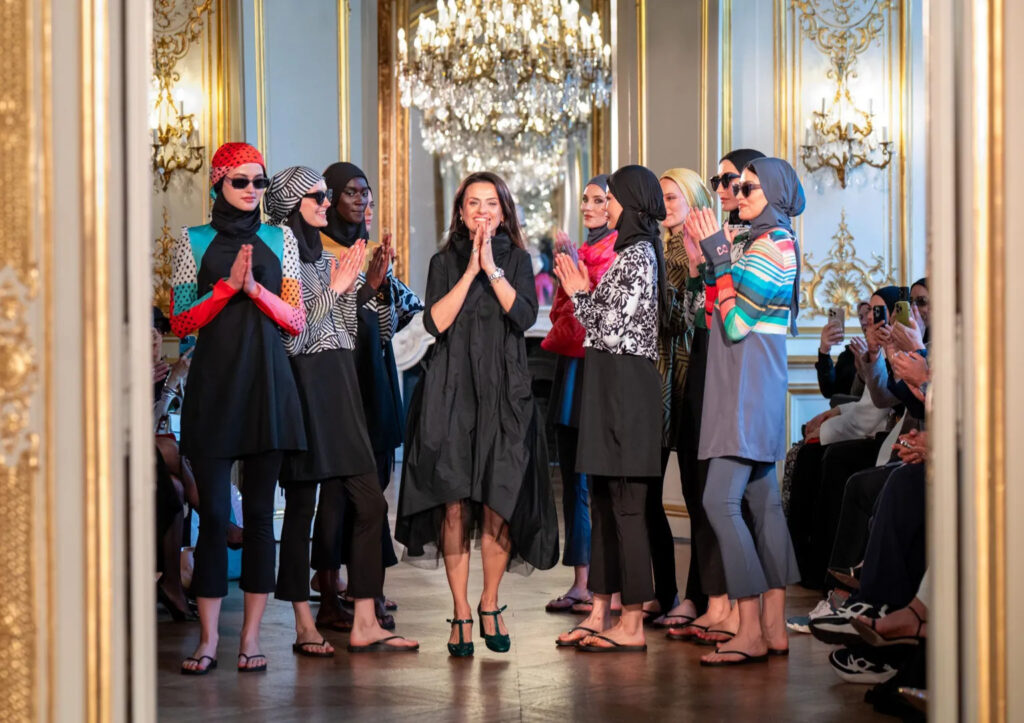
From April 16 to 18, Think Fashion brought its 11th edition of Modest Fashion Week to the Hôtel Le Marois, just off the Champs-Élysées. Around 30 designers from countries including Nigeria, Indonesia, Turkey, Serbia, Kazakhstan, and Australia presented collections built around covered, layered, and intentional dressing.
Holding this in Paris was not a small thing. France has one of the most complicated relationships with modest dressing in the world. Headscarves are banned in state schools. Religious symbols in public spaces have been legislated against for decades. And yet here was a full runway, in the 8th arrondissement, making the case that modest fashion belongs in the fashion capital of the world.
It did more than belong. It showed up and showed out.
The Looks That Proved Modest Fashion Has Range
This is the part that deserves more attention than it is getting.
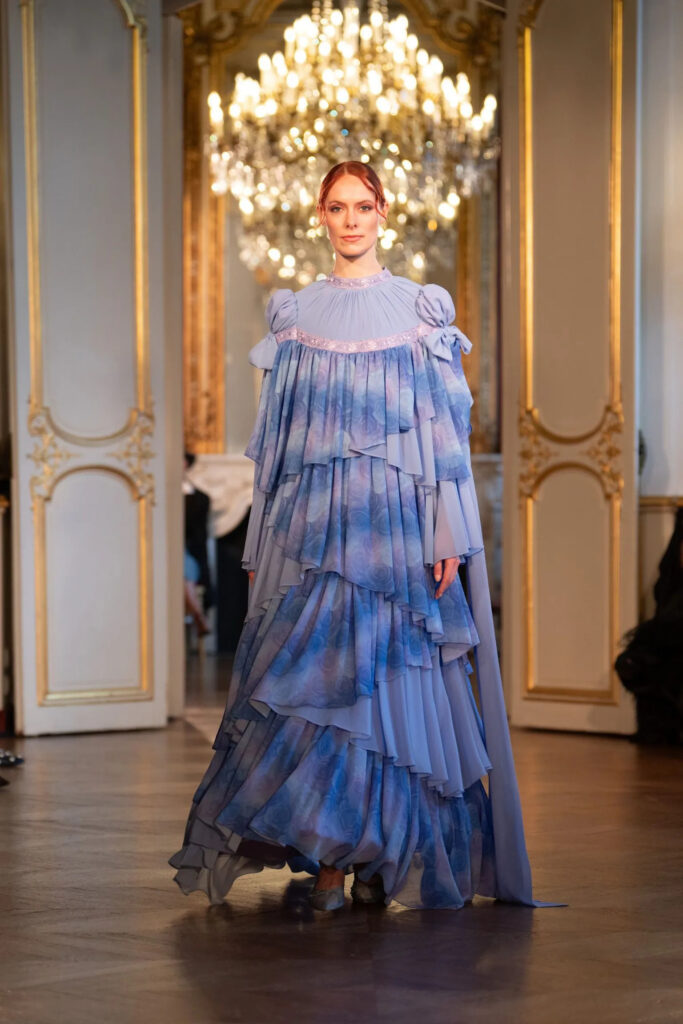
The romantic lane. Turkish designer Hicran Önal of Miha and Indonesia’s Nada Puspita sent out floral dresses and blush tones that felt genuinely dreamy. Long silhouettes with movement, soft colours, the kind of dresses that make you want to book a trip somewhere warm. Nothing about these looks said compromise.
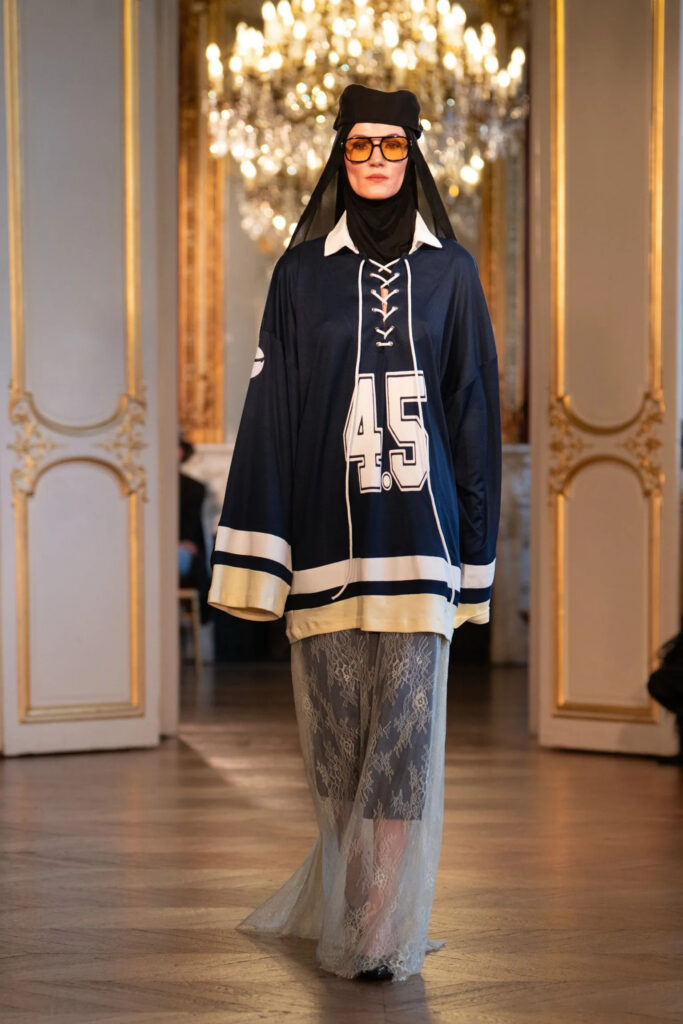
The streetwear lane. French brands Soutoura and Nour Turbans came in with structured, monochrome looks that read like a modest fashion answer to Adidas and Nike. Clean lines, headwear as a design centrepiece, the kind of outfits that would fit straight into a London or Paris street style gallery. This was the lane for anyone who thought modest fashion meant formal dressing only.
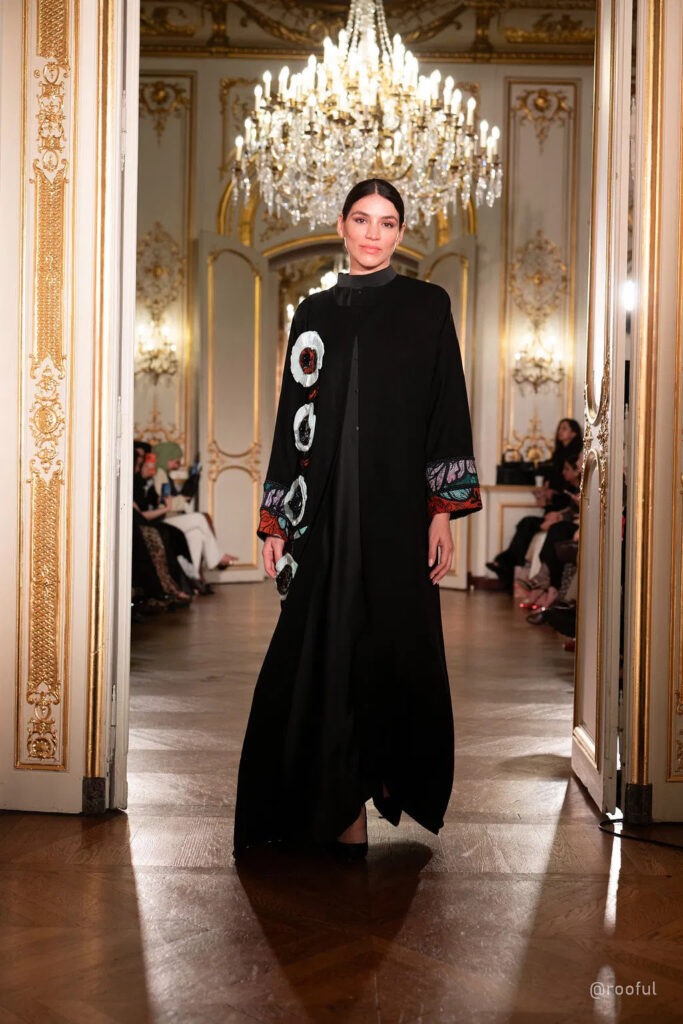
The cultural craftsmanship lane. Nigerian label Afrik Abaya brought bold geometric prints drawn from traditional African fabrics, layered onto abayas with real visual confidence. Uzbek-influenced label Afifa sat somewhere between Western minimalism and Central Asian heritage. These were not pieces trying to explain themselves. They just were.
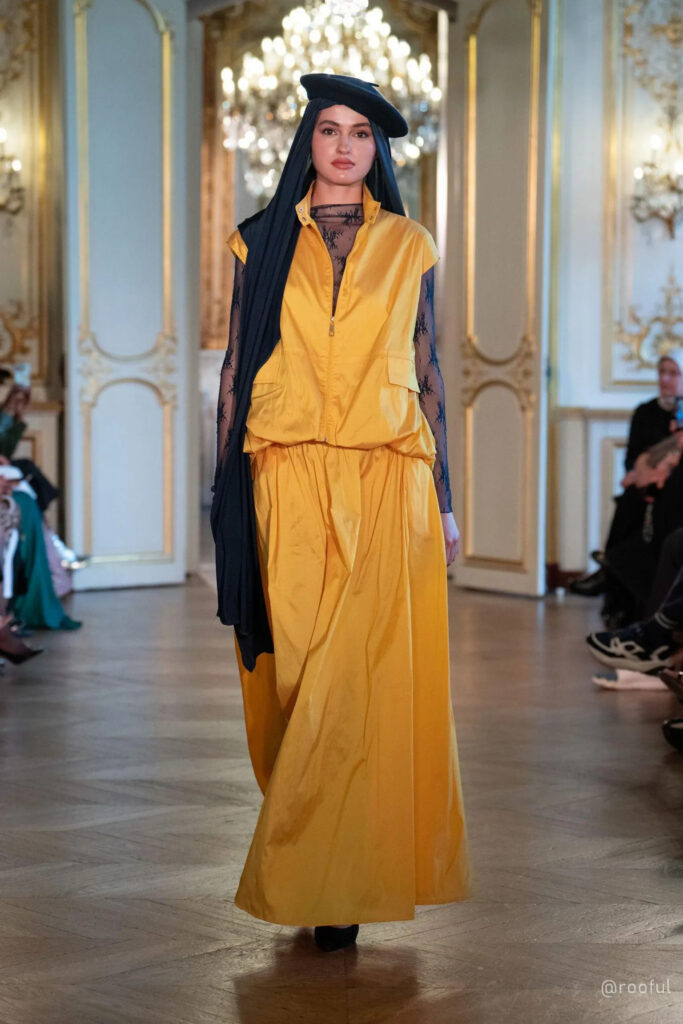
The Parisian moment. The single image most people are sharing from this event is a model wearing a beret over a headscarf, courtesy of Asiyam Nour Turbans. It sounds simple. It landed like a statement. French culture and modest dressing, in one look, on a Paris runway.
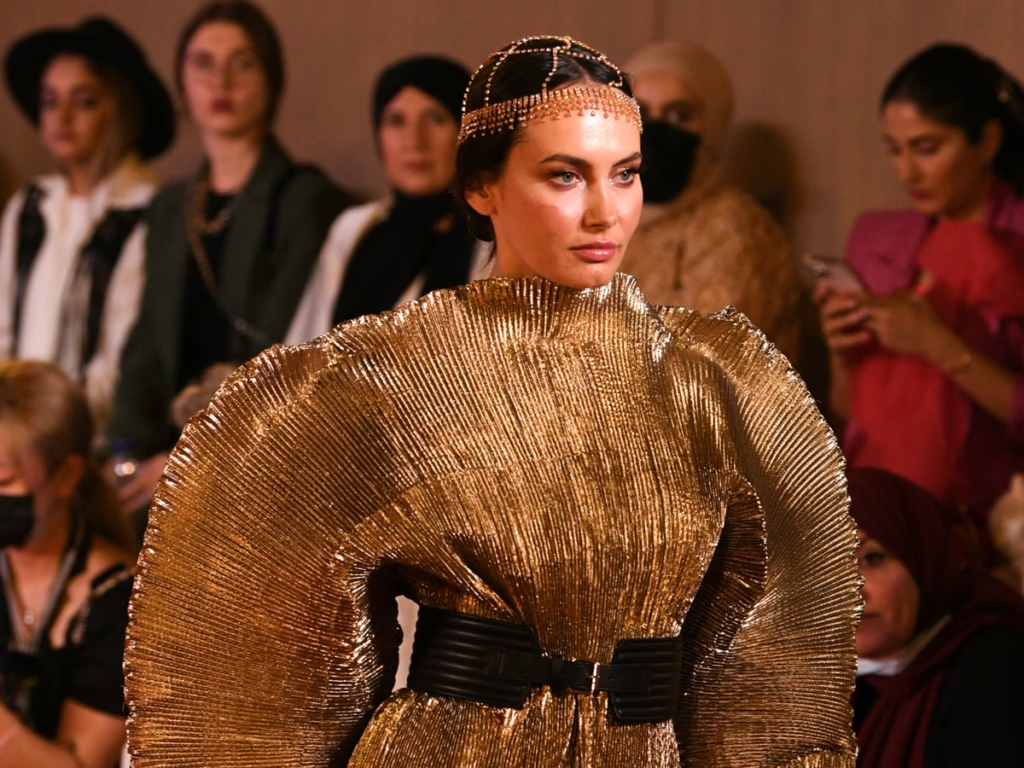
The quiet luxury lane. UAE-based designer Shehna Hussain built her collection around Chanderi, Jamdani, and silk-linen blends in a palette of ivory, olive, taupe, and muted gold. Nothing decorative for the sake of it. Every layer designed to serve the woman wearing it rather than draw attention to itself. This was modest fashion as considered luxury, and it held its own against anything else shown in Paris this season.
Relevance Beyond the Runway
Fashion has spent a long time telling women that freedom looks like less fabric. More skin, shorter hemlines, the idea that confidence lives in exposure.
Paris just offered a different definition. And the $400 billion global modest fashion market suggests a lot of women were already living by it.
The strongest message from this event was not that everyone should dress modestly. It was that the choice deserves the same creative respect as every other way of getting dressed. A floral maxi dress with a headscarf styled to match is a fashion decision. A monochrome streetwear set with a cap built into the design is a fashion decision. A silk-linen layer in muted gold is a fashion decision.
Modest fashion made all of those decisions in Paris, on one of the world’s biggest stages. And it looked good doing it.