What to Wear in Morocco as a Woman: A Practical Guide
Packing for Morocco can feel more complex than you expect, especially as a woman.
The challenge isn’t really about what to pack. It’s about what you’re trying to account for.
You’re thinking about the heat during the day and the shift as evening sets in, how your outfit might be read in a different cultural context, and comfort, especially if your days involve a lot of walking.
When I planned my stop in Casablanca on my way to Nigeria, I found myself holding all of these considerations at once. I wanted to feel comfortable, be respectful, and still feel like myself.
So like most people, I went down a few internet rabbit holes trying to answer my questions. And somewhere along the way, I started to notice a pattern.
The answers weren’t really about specific outfits. They were about understanding the considerations first, and letting that guide what you wear.
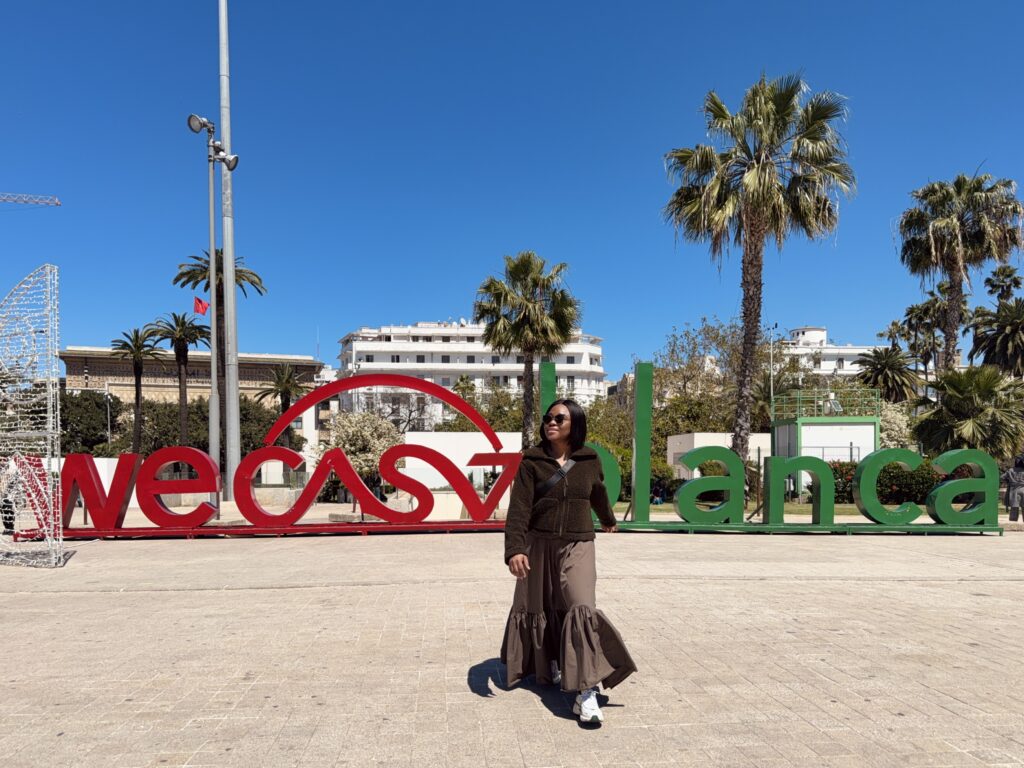
Consider modesty, weather, and comfort
Once I stopped looking for the “right outfits,” it became easier to see what actually mattered.
Everything came back to three things: modesty, weather, and comfort. Not as separate concerns, but as overlapping ones.
Modesty
Modesty in Morocco is influenced by religion, as Islam shapes many aspects of daily life, including how people dress. In practice, you’re not likely to encounter formal rules about how you should dress, and no one is stopping you or correcting you. But there is an unspoken expectation in how people around you tend to dress.
In everyday spaces, especially outside of hotels or more tourist-heavy areas, people generally lean more conservative. Covering your shoulders and choosing longer lengths helps you blend in more easily and reduces the need to constantly adjust or second-guess your outfit.
So modesty becomes less about following rules, and more about making your experience smoother.
Weather
The weather is closely tied to geography.
Morocco sits between the Atlantic coast, the Atlas Mountains, and the edge of the Sahara Desert. Because of that, the climate can shift depending on where you are, but one consistent pattern is strong sun during the day and a noticeable drop in temperature later on.
Even in cities like Casablanca, which are more coastal, the sun can feel intense when you’re out for long periods, while mornings and evenings can be cooler than expected.
This is why light layers and breathable fabrics matter. And interestingly, a bit more coverage can actually feel better than less, because it protects your skin from direct sun exposure.
Comfort
Comfort is the most practical consideration, especially when you’re walking for long periods of time. Shoes, fabric, and fit all matter. If something is slightly uncomfortable, you’ll feel it much more quickly when you’re navigating a new place.
If you’re unsure what to wear in Morocco as a woman, starting with modesty, weather, and comfort simplifies everything.
Once I started thinking about comfort alongside modesty and weather, instead of separately, it became much clearer what would actually work in practice. And that’s what shaped what I chose to wear in Casablanca.
What to wear in Casablanca as a woman
I wore a maxi dress with a slight V-neck from Marshalls. It felt true to my style, but it also worked across all the considerations I had in mind.
The length gave me the coverage I wanted, so I didn’t have to think about modesty throughout the day. The fabric allowed for movement and airflow, which helped with the weather. And because it was a single piece, it made getting dressed feel easy.
I added a light jacket, partly because I was mindful of the neckline, but also because it gave me flexibility. I could wear it or take it off, depending on where I was and how the temperature changed.
On my feet, I wore sneakers because I knew I would be walking a lot.
I also carried a crossbody bag for convenience. It kept everything close and allowed me to move around freely without having to think about it.
Overall, the outfit was simple, functional, and still very much like me. And that balance is really what made it work.
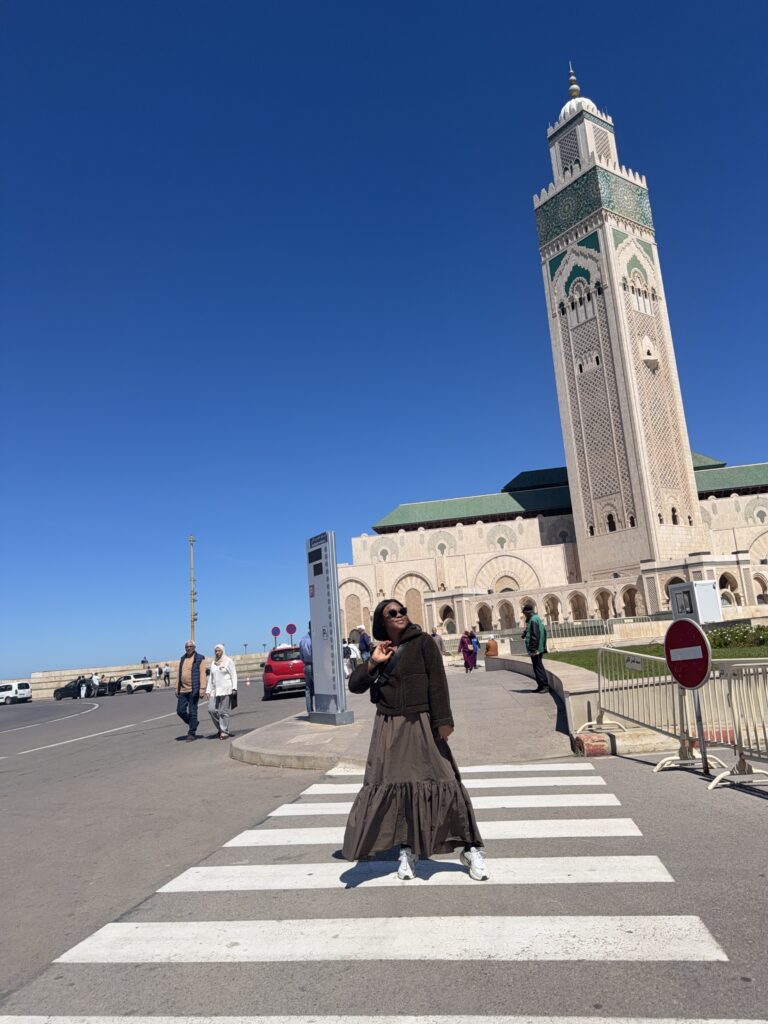
Outfit formulas that work in Casablanca
Once you start noticing patterns, it becomes easier to translate what you’re seeing into simple outfit formulas you can rely on.
These combinations are inspired by what I saw people wearing, both locals and visitors, and how their outfits worked in practice.
They’re not rigid rules. They’re combinations that consistently balance modesty, weather, and comfort.
Maxi or midi dress + sneakers + light layer
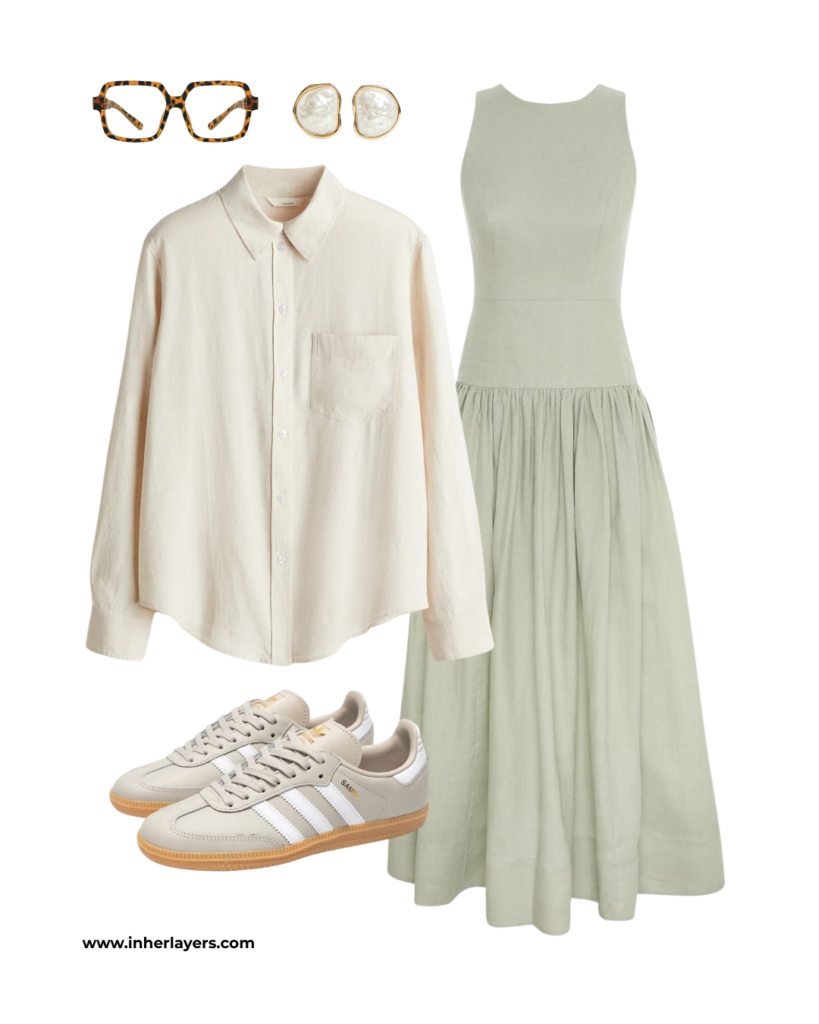
An easy, one-piece option that gives you coverage and comfort. The layer adds flexibility for different spaces or temperatures.
Loose trousers + t-shirt or button-down
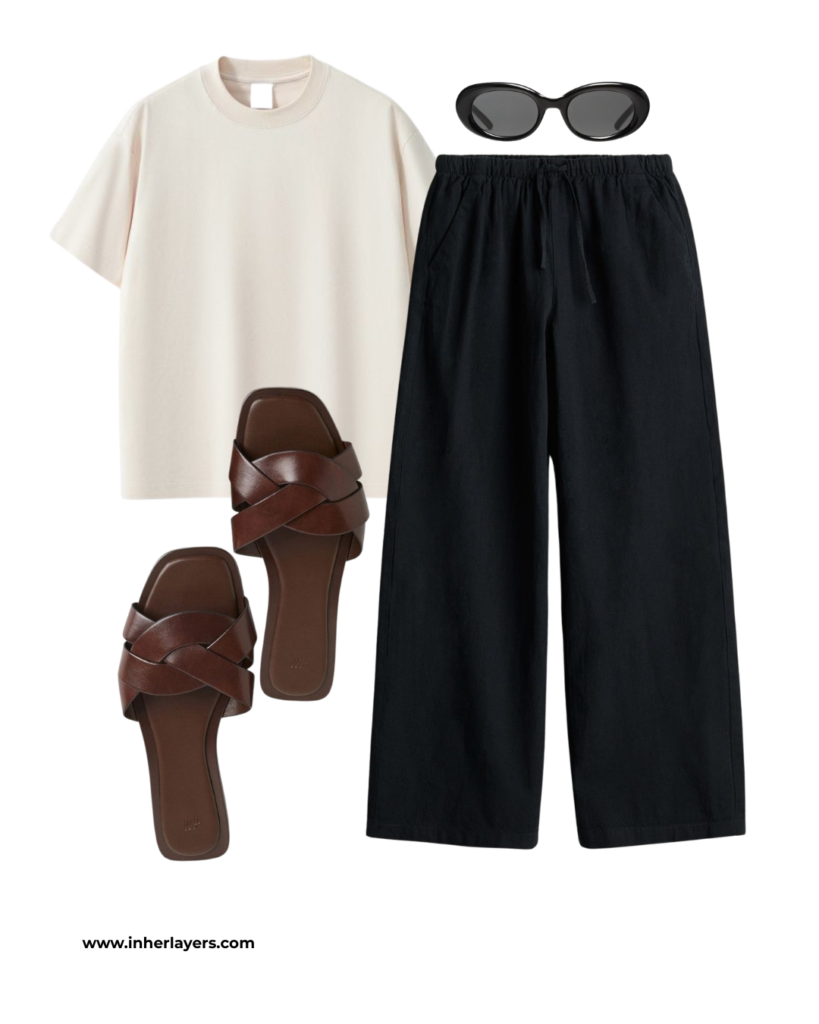
Breathable, practical, and easy to move in. This combination works well for long days out.
Long skirt + fitted or tucked top
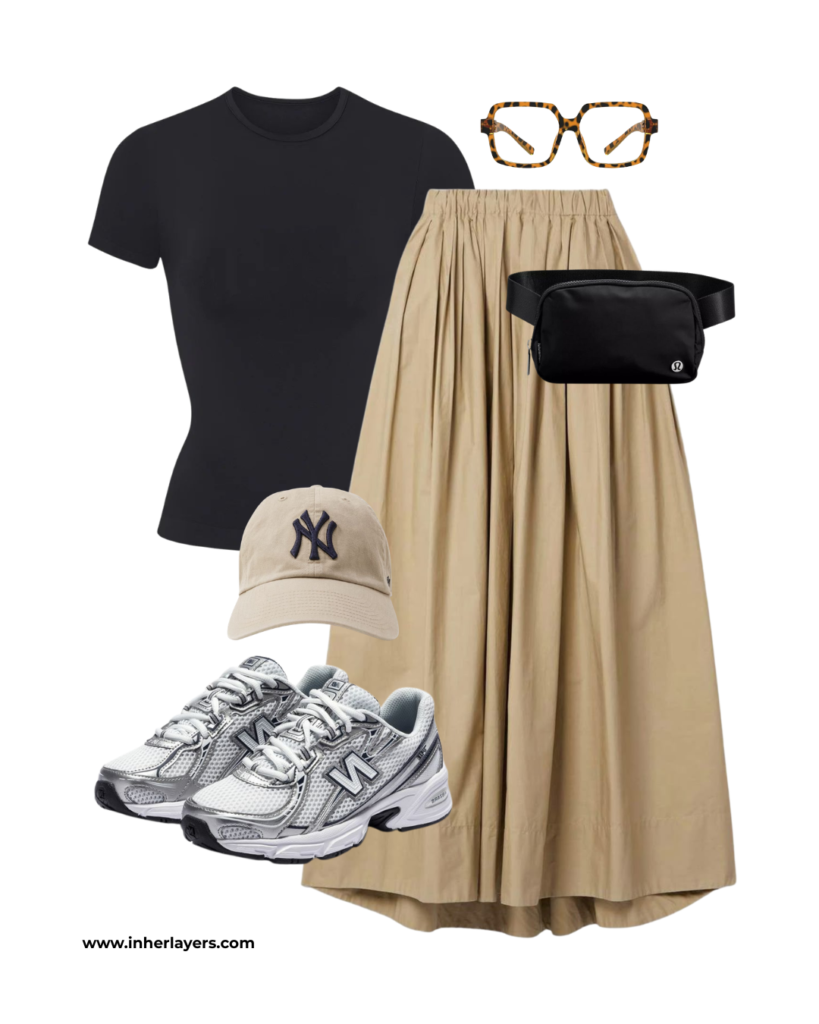
Keeps the outfit balanced while still feeling relaxed. It’s a simple way to look put together without overthinking it.
Jeans + t-shirt + overshirt or light jacket
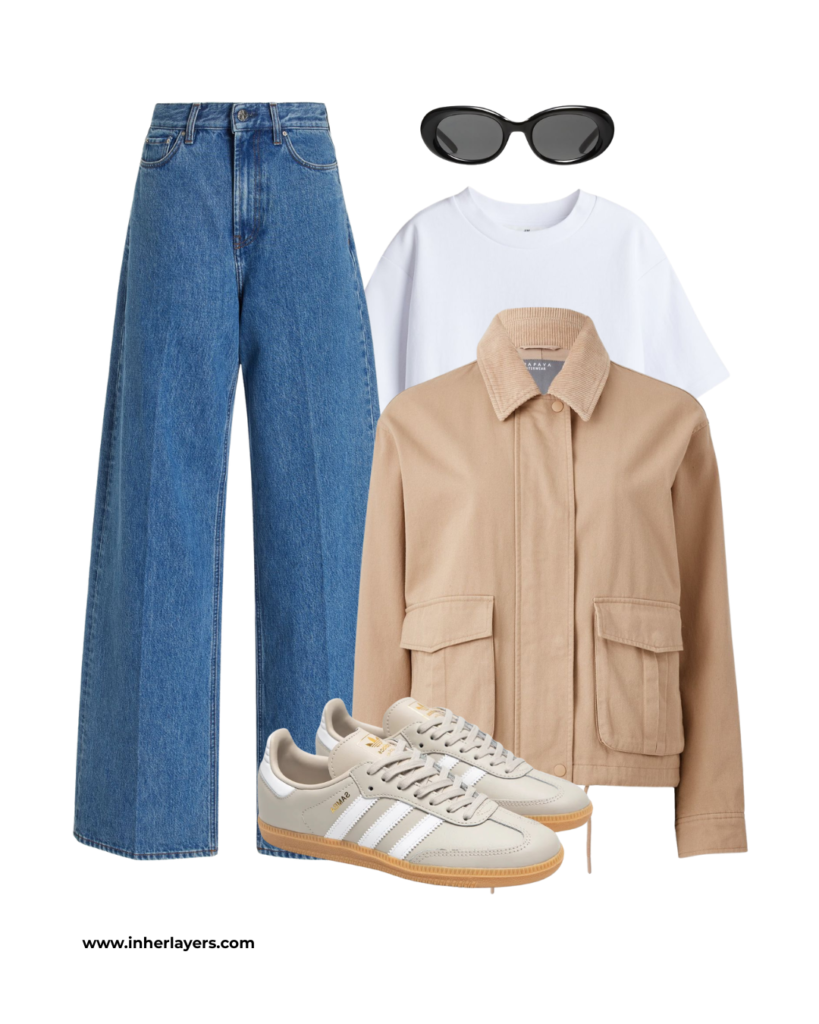
A familiar combination that works well in more urban areas like Casablanca, especially when layered.
Leggings + long top or tunic
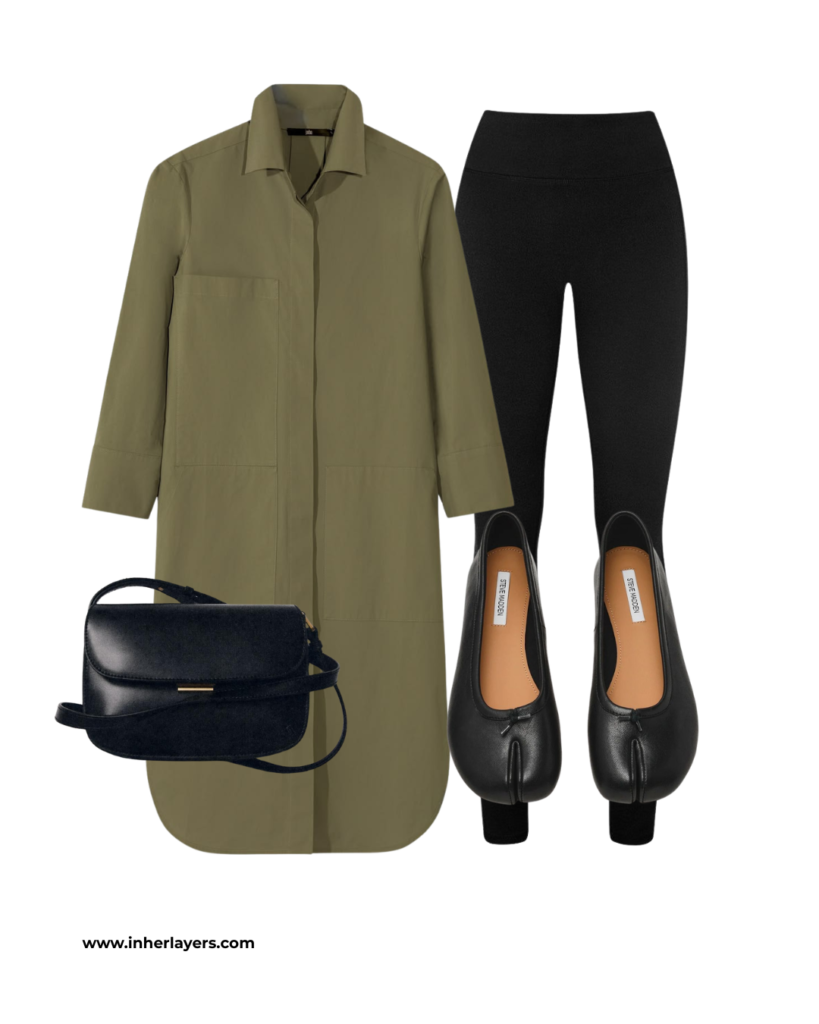
If you prefer leggings, pairing them with a longer top gives you the coverage that makes the outfit feel more appropriate in most settings.
Across all of these, the structure is similar.
You’re combining:
- A base that’s comfortable
- A silhouette that provides some coverage
- A layer that gives you flexibility
That combination is what allows your outfit to work across different parts of the day without needing to change.
What tends to be less practical
As helpful as it is to know what works, it’s just as useful to know what tends to make things harder.
Not because you can’t wear these, but because they often create small points of friction throughout the day.
- Very short or tight clothing: These can feel out of place in many everyday settings and may make you more self-conscious than you need to be.
- Heavy or non-breathable fabrics: They tend to trap heat, especially when you’re outdoors for long periods.
- Shoes that aren’t built for walking: Even slightly uncomfortable shoes become a bigger issue when you’re on your feet all day.
- Outfits with no layering option: Without a light layer, it’s harder to adjust between different environments or temperature shifts.
What to wear beyond Casablanca
I only visited Casablanca, but from what I observed and from conversations I had, different cities in Morocco can feel quite different, and that does influence how you dress.
Casablanca, being more urban and coastal, feels relatively relaxed. You’ll still notice modesty, but there’s more range in how people interpret it. The coastal weather also makes lighter, breathable outfits feel natural, especially during the day.
As you move into other cities, religion, location, and climate start to shape things more noticeably.
Marrakech
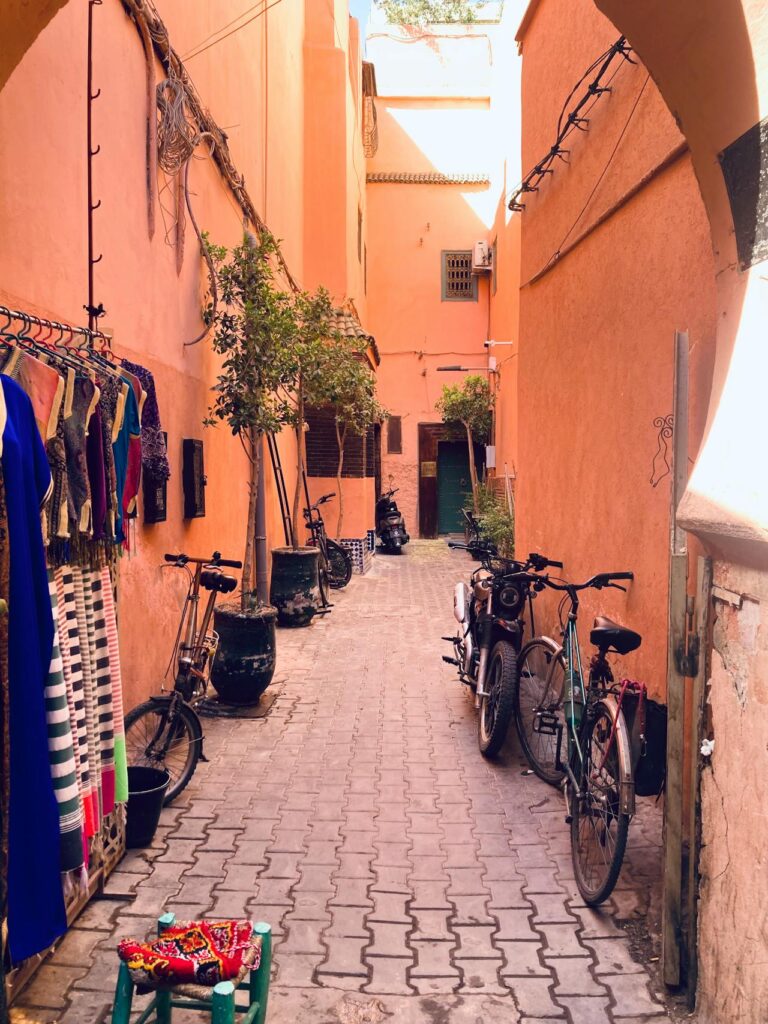
Known for its lively souks and historic medina, Marrakech feels more traditional in many areas. The environment is more immersive and often more observed, which naturally calls for a bit more coverage. Its inland location also means stronger heat during the day, so loose, breathable pieces with coverage tend to work best.
Fes
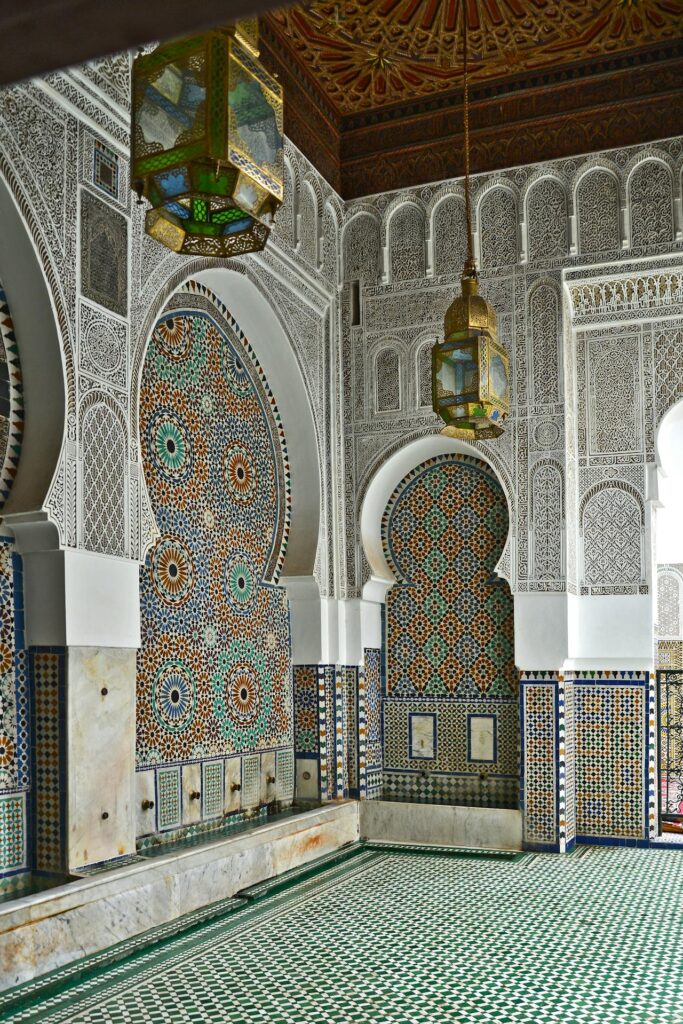
One of the oldest cities in the country, with a strong cultural and religious presence. That influence shows up more clearly in how people dress, especially in the medina. Outfits that lean more conservative tend to feel more aligned here, both socially and culturally.
Chefchaouen
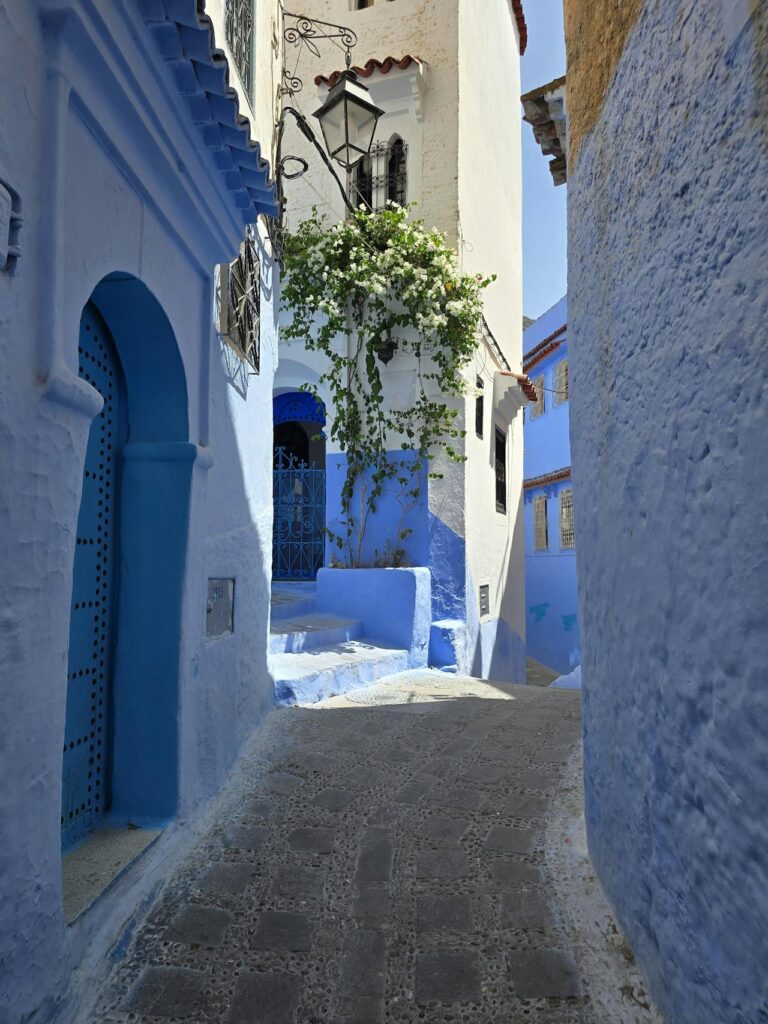
Known for its blue-painted streets and slower pace, Chefchaouen feels more relaxed and tourist-friendly. Its mountainous location also means slightly cooler temperatures at times, which makes light layering more useful.
Agadir
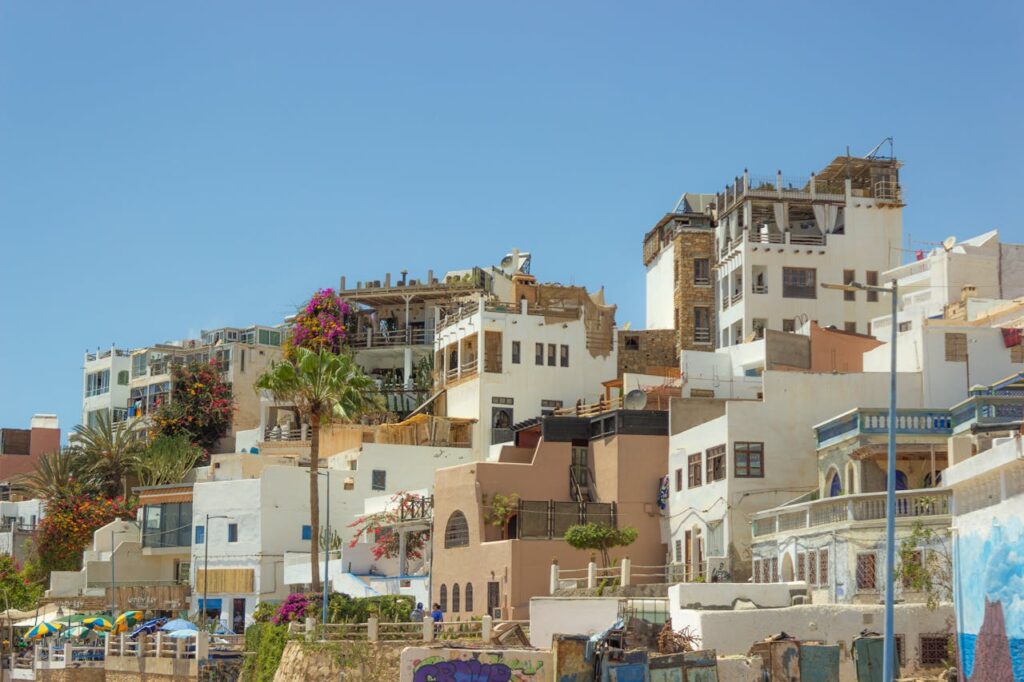
A coastal, resort-focused city where dressing is noticeably more relaxed. With beaches and a more leisure-oriented atmosphere, you’ll see a wider range of casual and summer wear. The ocean breeze also softens the heat compared to inland cities.
What stood out to me is that the differences aren’t about completely changing what you wear, but about adjusting how you wear it.
In Casablanca, you might feel comfortable keeping things simple and slightly more casual. In cities like Marrakech or Fes, you might lean more into coverage and structure. In places like Agadir, you might relax that slightly.
The foundation stays the same. You’re still dressing for modesty, weather, and comfort, just with small adjustments depending on where you are.
Practical things that make traveling in Morocco easier
- Carry a scarf: It adds an extra layer when you want more coverage, and it’s often needed to enter certain places like mosques.
- Carry cash: Not all shops and markets accept cards, especially smaller or more local ones.
- Be clear about the kind of tour you want: When booking a guide, it helps to clarify what you’re looking for. Some tours lean more cultural, others more historical. I was hoping for a mix, but my experience leaned more cultural, which shaped the day differently than I expected.
- Don’t rely on clear “neighborhood cues”: In Casablanca, it’s not always obvious when you’ve moved from one area to another. My tour guide pointed this out to me. A nicer area can sit right next to a more run-down one, so it helps to stay aware and dress in a way that works across both.
- Avoid outfits that need constant adjusting: If you’re fixing your neckline, pulling at a hem, or readjusting throughout the day, it becomes more noticeable when you’re out for hours.
- Be mindful of how fabrics behave in sunlight: Some lighter fabrics can become more sheer under strong sun. It’s a small detail, but it can change how comfortable you feel.
None of these are major decisions on their own, but together, they make the entire experience feel more considered.
Dressing in Morocco is simpler than you think
Dressing in Morocco really comes down to three things: modesty, weather, and comfort.
You’re not trying to get every outfit exactly right. You’re choosing pieces that work for how you’ll move through the day.
And this doesn’t just apply to Morocco.
There’s always a moment, when you’re somewhere new, where you begin to second-guess yourself. You start to notice the differences, and you wonder if what you’re wearing aligns.
But the same principle applies. You don’t need to start over for every destination. You just need a simple system and the awareness to adjust it as your environment changes.
That’s really what to wear in Morocco as a woman comes down to.