What Are Tabi Shoes? The Controversial Trend Taking Over Right Now
Tabi shoes are trending again, and like every time they return, they spark strong reactions. Some people are drawn to them immediately, while others find them confusing or difficult to understand.
Tabi shoes don’t try to convince you. They simply exist, and your reaction becomes part of the conversation.
To make sense of why they keep coming back, it helps to start with what they actually are.
What Are Tabi Shoes?
Tabi shoes are defined by one distinct feature: a split toe that separates the big toe from the rest.
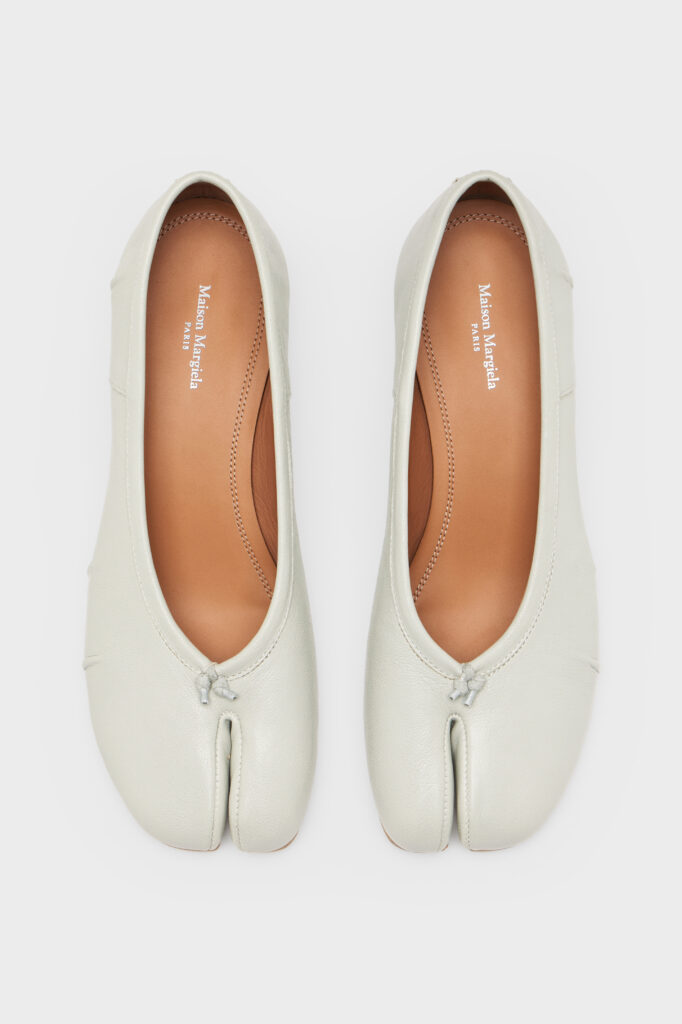
The design originates from traditional Japanese footwear, but in modern fashion, it has become closely associated with Maison Margiela’s reinterpretation. Over time, the silhouette has evolved into a recognizable statement across boots, flats, and heels.
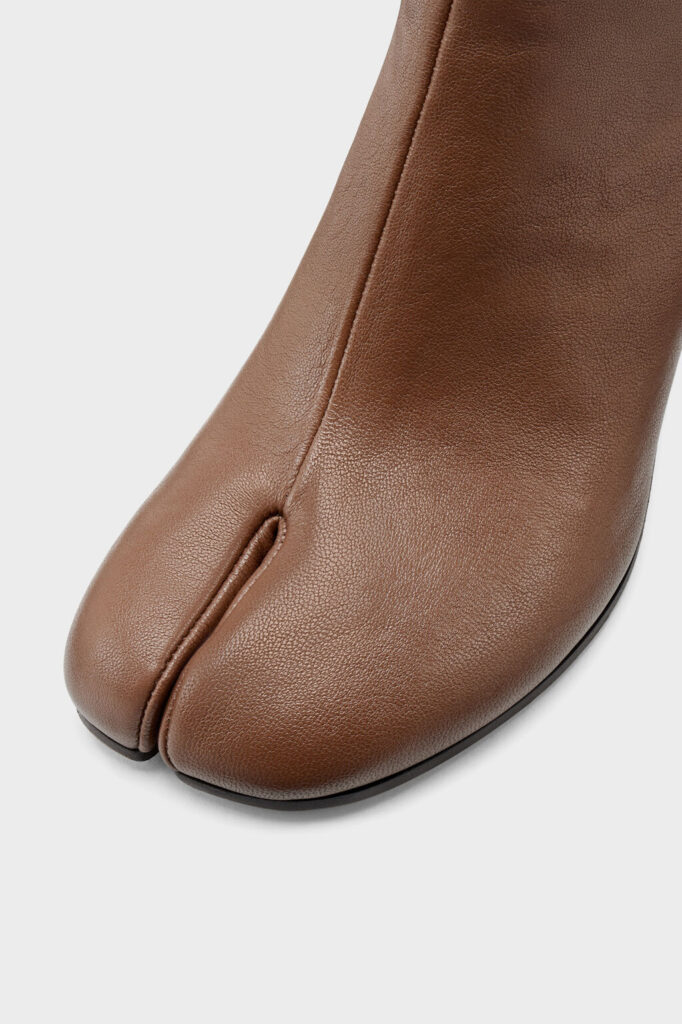
Even in the most minimal outfit, tabi shoes stand out. They subtly disrupt what we expect a shoe to look like, and that disruption is exactly what draws attention.
That small shift in form becomes more meaningful when you look at the broader context of how people are dressing right now.
Why Tabi Shoes Are Trending Again
Tabi shoes don’t resurface randomly. They tend to return during moments when fashion is shifting.
Right now, there is a noticeable move away from perfectly polished minimalism. While clean aesthetics are still relevant, many people are looking for ways to add individuality without abandoning simplicity entirely.
Tabi shoes fit naturally into this space. They maintain a restrained palette and structure, yet introduce a detail that feels distinct.

There is also a growing appetite for pieces that communicate intention rather than broad appeal. Instead of dressing to meet a universal standard, people are increasingly dressing to reflect a personal perspective. Tabi shoes naturally support that shift.
Once you begin to see fashion through that lens, it becomes easier to understand why tabi shoes continue to resonate, even if they are not universally liked.
Who Is Wearing Them
What’s interesting is not just that tabi shoes are back, but who is choosing to wear them.
You’ll often see them on:
- Minimalists who want one unexpected detail in an otherwise clean outfit
- Creatives who gravitate toward conceptual or design-led pieces
- Fashion insiders who understand the history behind the silhouette
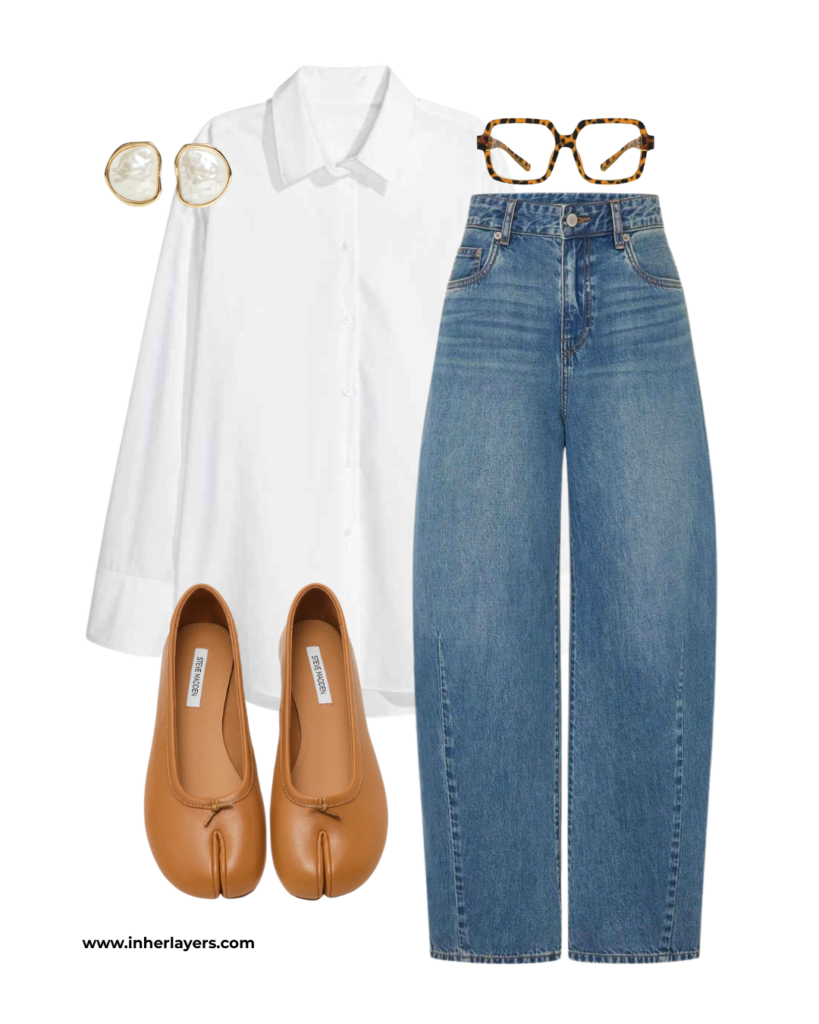
They are rarely overstyled. Most outfits remain simple, allowing the shoe to stand out without competition.
What This Says About Fashion Right Now
Tabi shoes are not just about aesthetics. They reflect a broader shift in how people approach style.
Fashion is becoming less about approval and more about expression, and people are more becoming increasingly willing to wear something that feels aligned with them, even if it invites mixed reactions.
Tabi shoes represent that shift clearly. They are not trying to be everything to everyone, and that is exactly why they continue to return.
This is also what makes them interesting on a personal level.
A Personal Perspective: Is It Worth It?
I find tabi shoes more interesting than universally appealing.
They are not the kind of piece you wear without thought. You choose them deliberately, and in doing so, you accept that not everyone will understand the choice.
They tend to resonate with people who are comfortable with that tension and who value intention over approval.
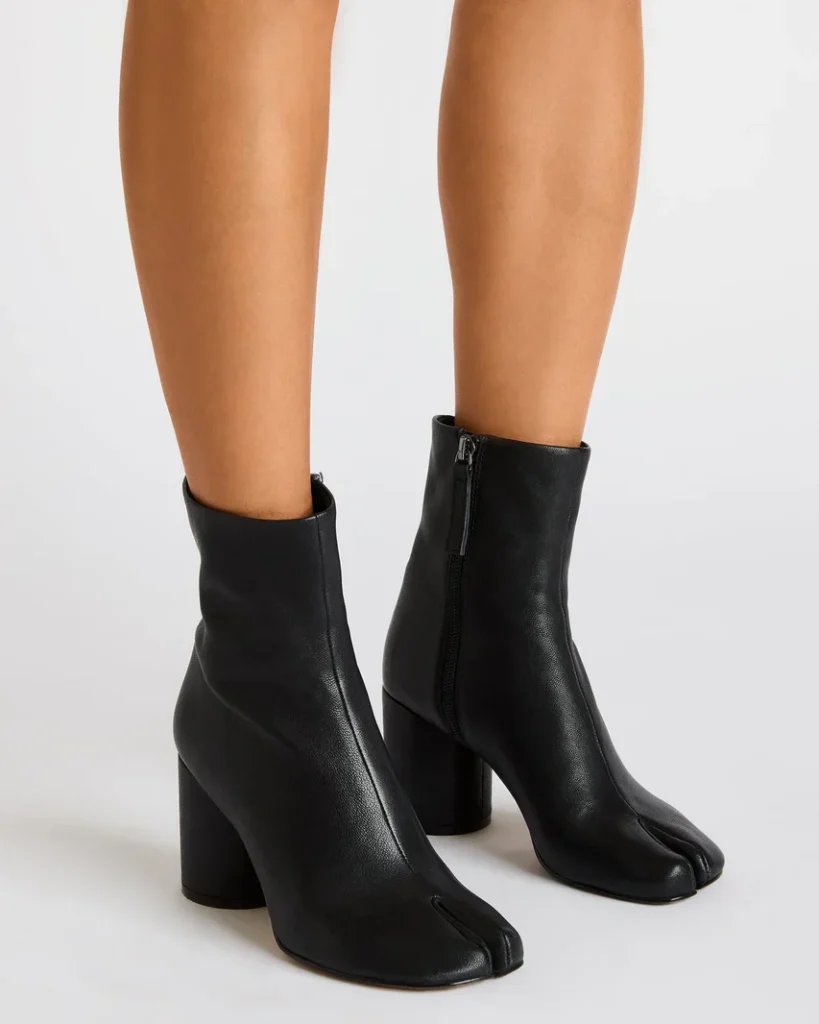
At the same time, I have been paying attention to how people who own them actually experience them over time, and that has added another layer to how I see them.
From reading detailed reviews and observing how people wear them, the experience is not always immediate.
Many describe an adjustment period at the beginning, especially with the shoe’s structure and split toe. Comfort tends to improve over time as the leather softens and adapts.
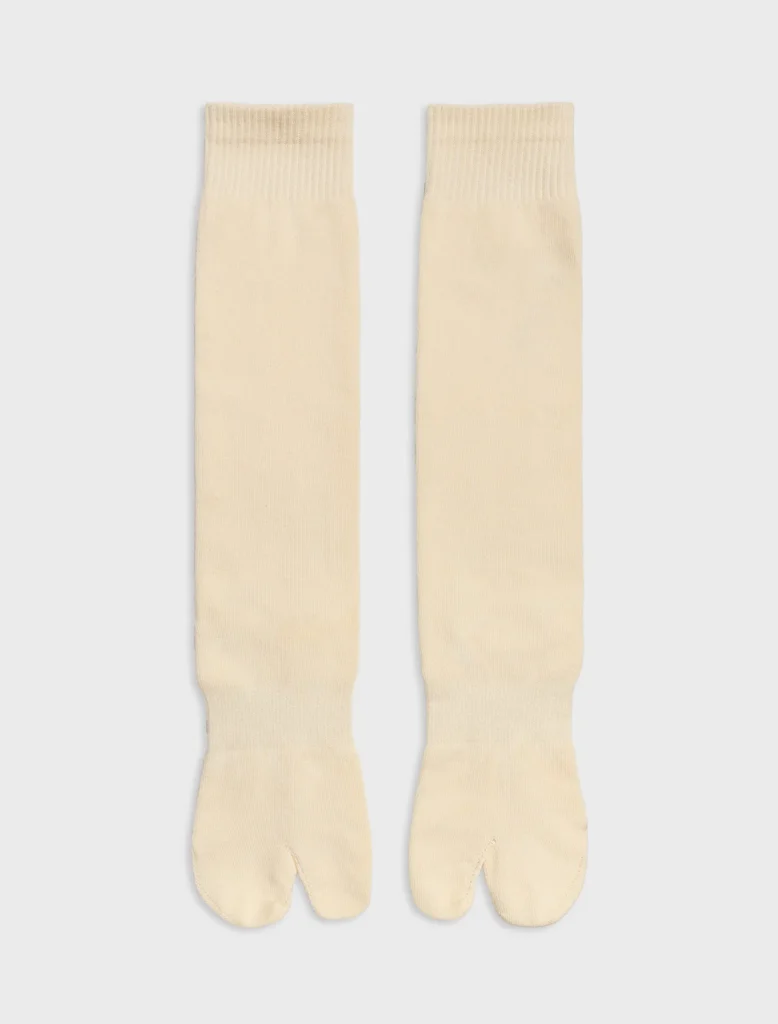
There are also clear trade-offs. The price point is often mentioned as a barrier, and sizing can be more complicated than expected. The need for specific socks and the fit around the toe box are also common considerations.
At the same time, there are consistent positives. People often highlight how unique they feel, how much attention the shoes draw, and how they can elevate even the simplest outfit. Some also note improved balance and a different kind of foot engagement compared to traditional shoes.
Taking all of this into account, the question becomes less about whether they are objectively worth it and more about whether they align with how you want to show up through your style.
If you are looking for ease and familiarity, they may not be the right choice. But if you are drawn to pieces that feel intentional, slightly unconventional, and capable of shaping an outfit on their own, they can be worth exploring.
What This Means for How We Dress
Whether you are drawn to them or not, tabi shoes highlight an important shift in fashion.
There is a growing emphasis on individuality, and with that comes a wider range of expressions that do not always align with conventional expectations.
Not every trend is meant for everyone, and not every piece needs to be immediately understood.
Style is increasingly about making choices that feel clear and intentional, even if they invite a second look.