A Practical Guide to Packing for St. John’s in July
In most places, July comes with a clear expectation. You think of consistent warmth, lighter fabrics, and outfits that don’t need much adjustment throughout the day.
But when packing for St. John’s in July, that expectation doesn’t fully hold.
Before I visited, I hadn’t done much research (I don’t recommend this… hahaha). I assumed summer would feel consistent, especially with heat wave warnings in other parts of the country at the time. It wasn’t until the morning of my whale and puffin watching tour, when another tourist on the way to the dock asked if that was what I planned to wear on the boat, that it clicked. I hadn’t packed for the right conditions at all.
What I Wore in St. John’s (Day by Day)
In St. John’s, what you wear is shaped less by the season and more by how the conditions interact. The weather shifts, the wind changes how everything feels, and you can move through several different environments in a single day.
Day 1 — Morning: Whale Watching & Puffin Sighting

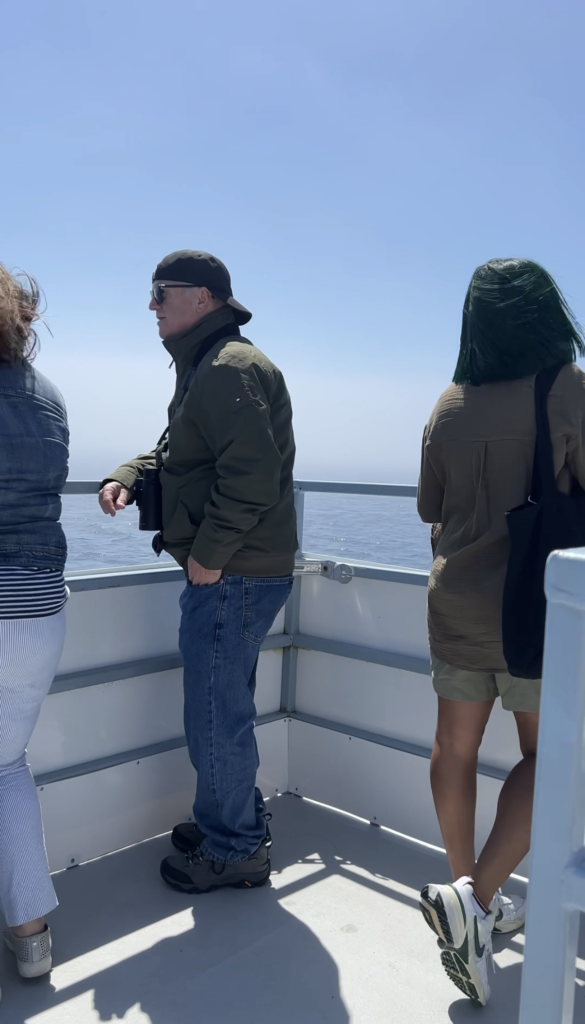
As I mentioned, I wasn’t properly dressed for the tour. There was a souvenir shop nearby where I could have picked up a sweatshirt, but I was set on not buying anything, so I went ahead as I wa
The tour moved out into open water just off St. John’s. There was an indoor cabin on board, but most people made their way onto the upper deck for a better view, and I was no exception. The wind picked up quickly out there, and it felt much colder than it had on land. I found myself going out for a few minutes at a time, then heading back inside to warm up before stepping out again.
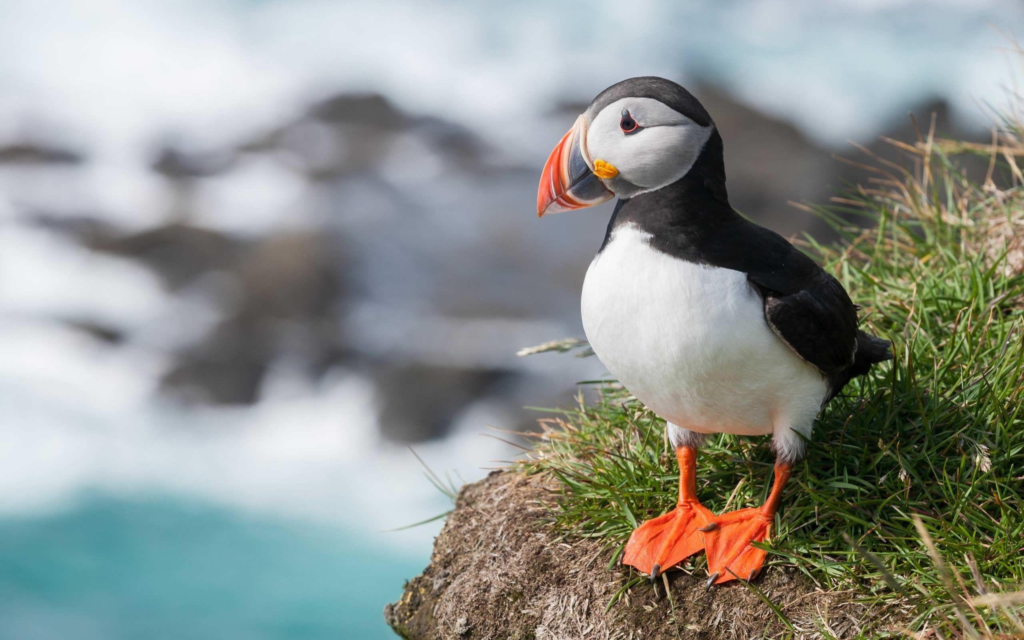
I had hoped to see whales on a trip to the Dominican Republic that didn’t quite go as planned, so spotting a mother whale and her calf here felt surreal. It was one of the moments that made my trip unforgettable. The puffins added to it, too.
Conditions:
Around 16–19°C, breezy and cooler on the water
What I wore:
Tank top, khaki shirt, button-down shirt layered on top, sneakers.
Did it work?
Partially. It was manageable, but not comfortable for longer periods outside.
What I’d do differently:
Wear trousers, and bring a hoodie or pullover
Day 1 — Evening: Dinner Out
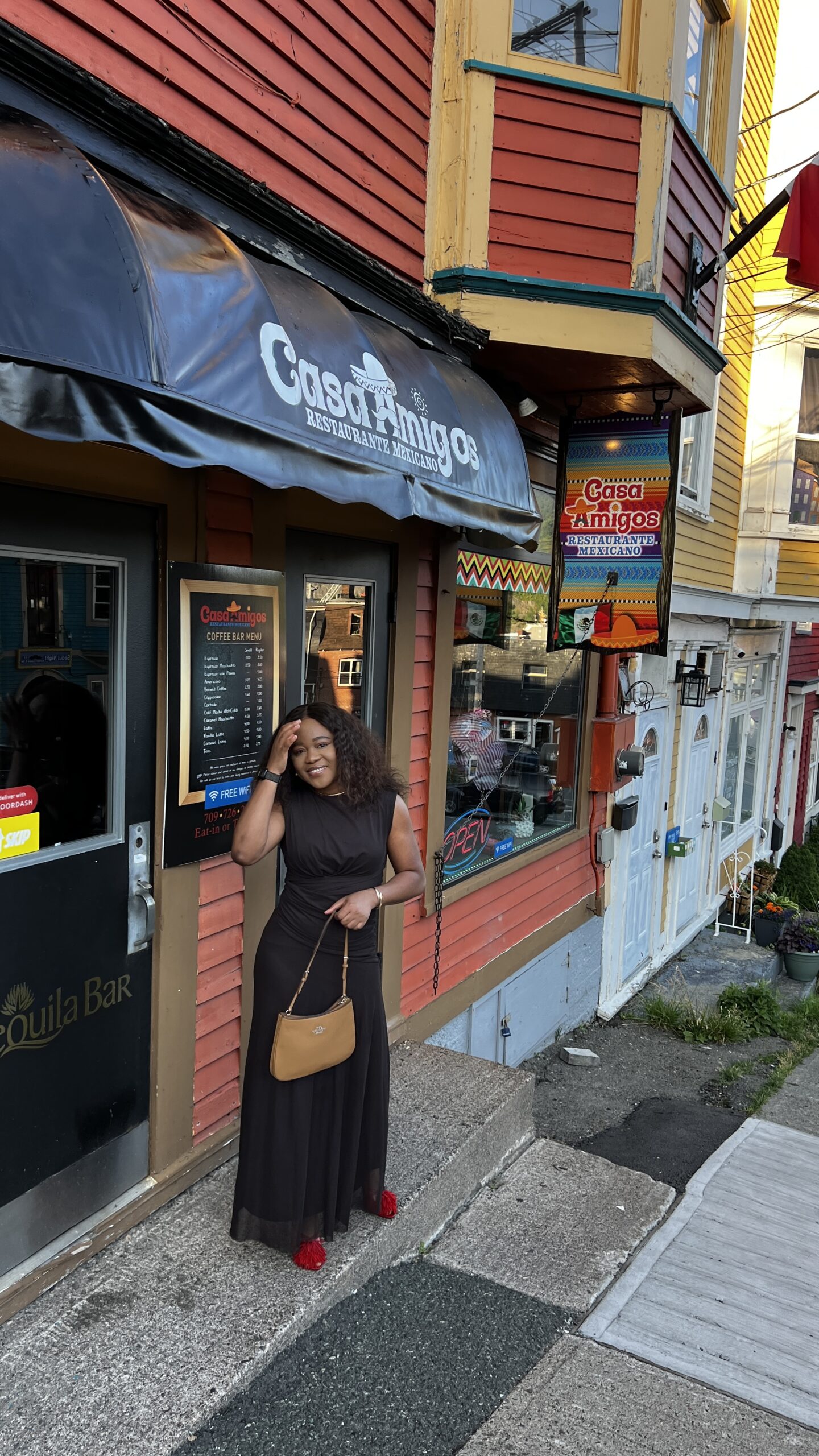
I headed out for a solo dinner at a Mexican restaurant I found on Yelp. On the way, I bumped into a stranger who graciously helped me take pictures on one of the steeper streets, where the incline made it impossible to get my tripod to stand properly. We got talking, and it turned out he was a German engineer who had visited Nigeria before. One of those unexpected conversations that makes solo travel what it is.
Conditions:
18–19°C, cooler in the evening
What I wore:
Brown sleeveless dress, beige lightweight coat, heeled stilettos.
Did it work?
Partially. The coat wasn’t necessary, but I was glad to have it as an option. The bigger issue was the shoes. The heels made walking uncomfortable, wh
What I’d do differently:
Keep the outfit, but swap the heels for a comfortable ballet flat.
Day 2 — Walking Tour, Quidi Vidi Village & Signal Hill
Morning – Walking Tour:
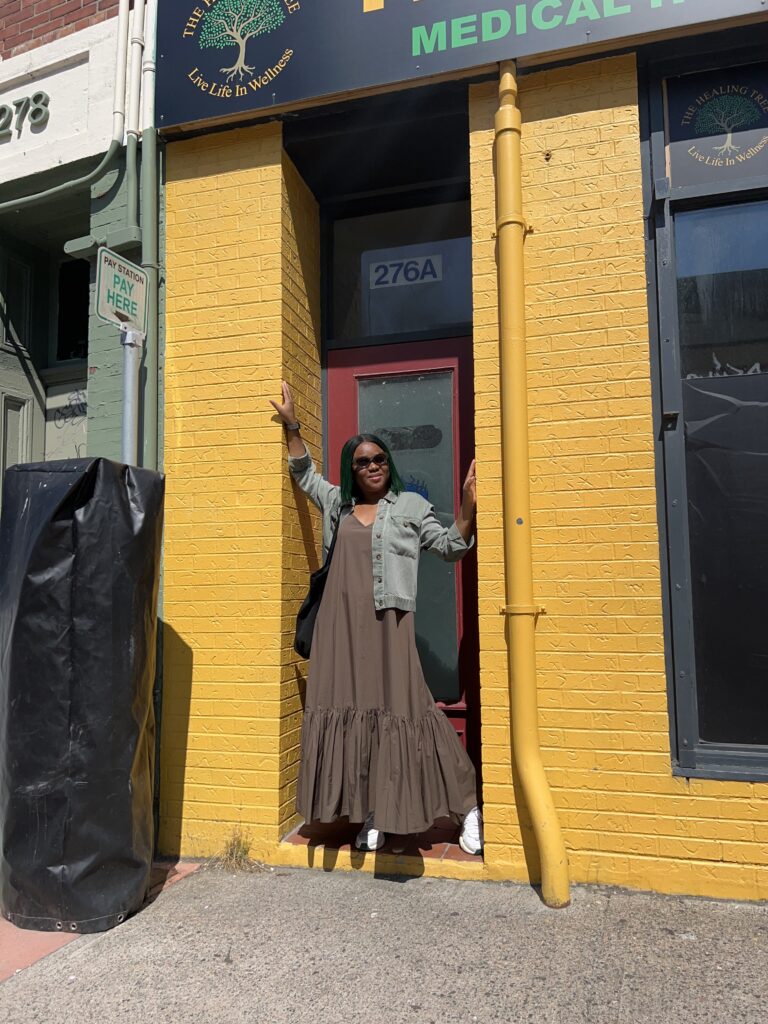
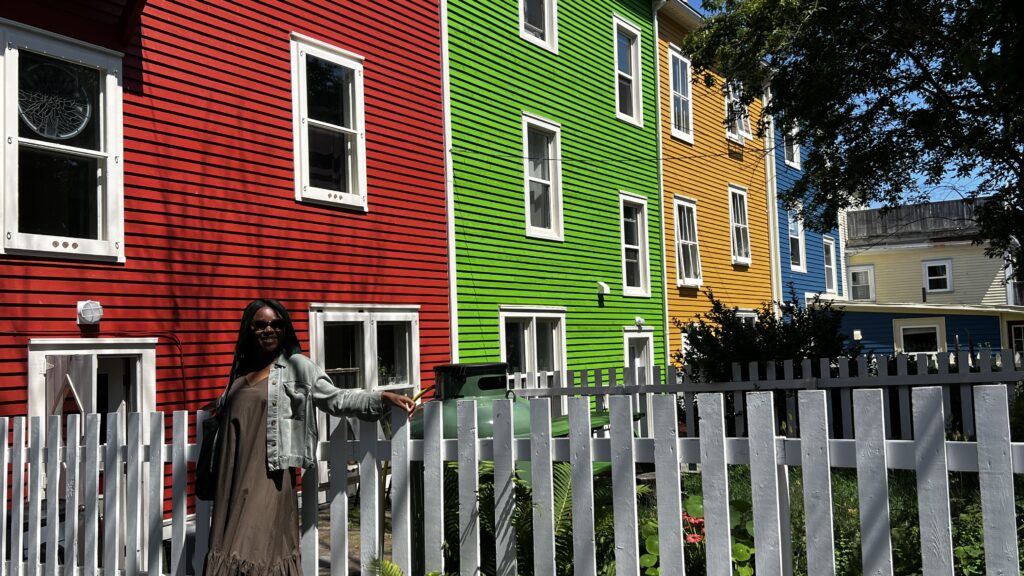
As is my new tradition with every city I visit, I booked a walking tour. It started on George Street in downtown St. John’s, two blocks of bars, pubs, and restaurants that claim the most bars and pubs per square foot of any street in North America. It has inspired songs and stories and been a magnet for musicians and their fans for decades.
From there, we moved through different parts of the city, including the colorful row houses that were the very reason I was drawn to St. John’s in the first place. Depending on who you ask, the story goes that residents painted their houses in bright colors either to guide ships back to shore on dark, cloudy nights, or to help drunken seamen identify which house was theirs. We also walked through the steeper streets downtown and learned a great deal about St. John’s contribution to the world wars. We were even fortunate enough to spot a Newfoundland dog, which before this trip was not something I thought would ever come in handy as conversation material with pet owners (jokes).
Throughout the tour, the temperature shifted depending on where we were. Open areas brought a stronger breeze, while the tighter streets felt noticeably calmer.
Late Afternoon – Quidi Vidi Village
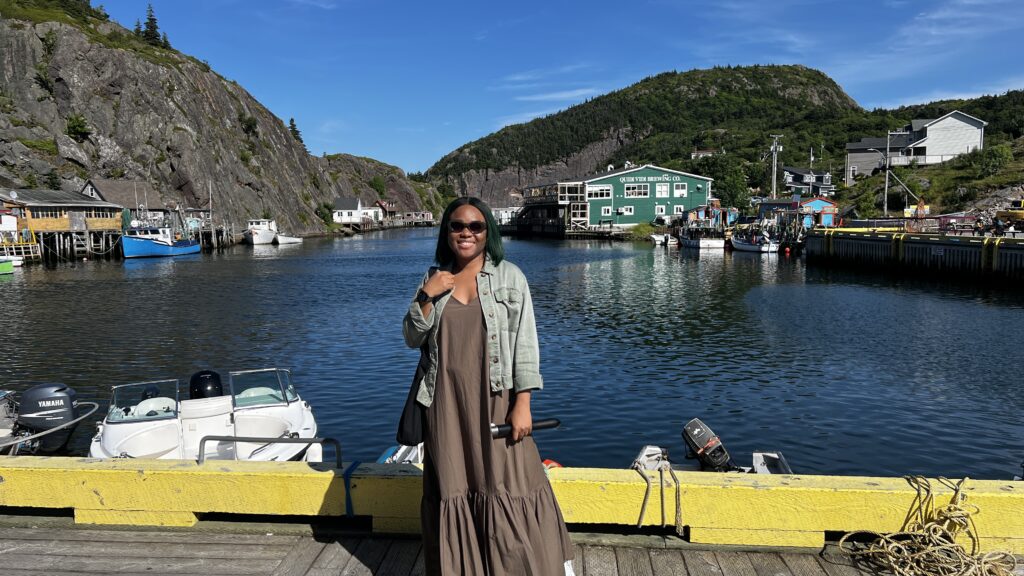
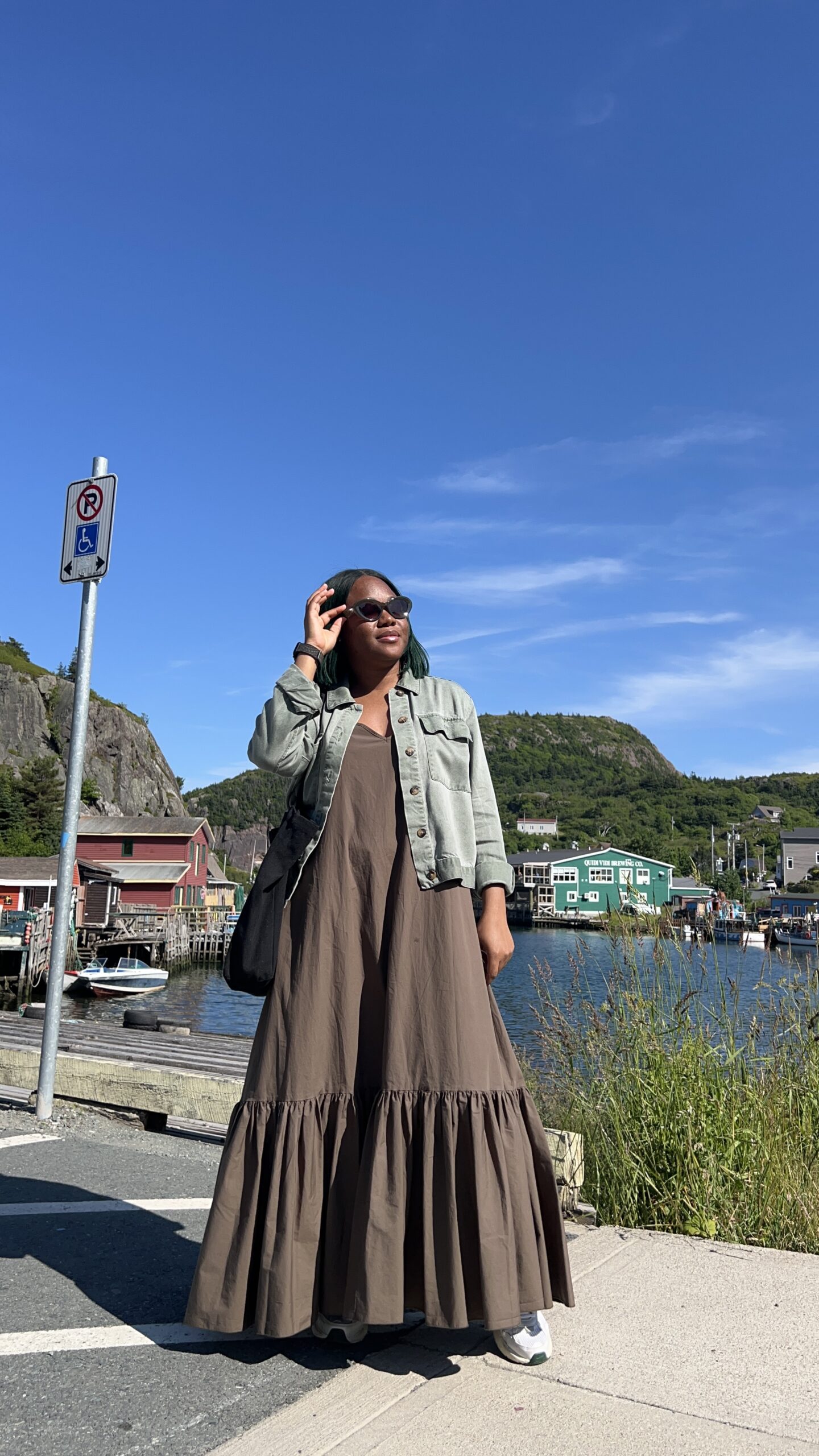
Later in the day, I made my way to Quidi Vidi Village, a picturesque fishing village just minutes from downtown St. John’s. The village sits adjacent to Quidi Vidi Lake, where the Royal St. John’s Regatta is held on the first Wednesday in August. It is the oldest organized sporting event in North America, gathering up to 50,000 people at the lake each year. The village itself felt calm and slightly warmer, with the surrounding buildings offering shelter from the wind.
Evening – Signal Hill
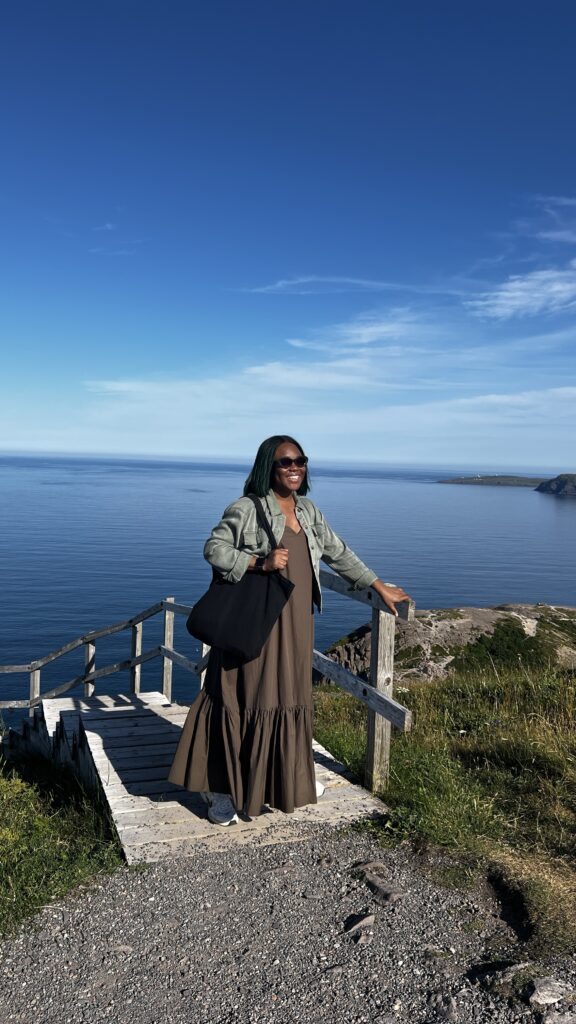
From there, I made my way up to Signal Hill, making a brief stop at the Battery to watch a live cannon being fired in honour of a soldier. On the hill, the view opened up. I could literally see all of St. John’s from my spot. The wind picked up with it, and even though the temperature hadn’t changed much, it felt noticeably colder.
Conditions:
- Morning: 14–16°C, slightly cool with a light breeze.
- Late Afternoon/Evening: 17–18°C overall, but felt very different depending on location.
What I wore:
Maxi dress, lightweight jacket, sneakers.
Did it work?
Yes. I felt much more prepared than the day before.
What I’d do differently:
Nothing major. This was a good balance.
Day 3 — Cape Spear, Irish Loop Drive, The Rooms & Screech-In Ceremony
Morning/Early Afternoon – Cape Spear & Irish Loop Drive

I had heard about how breathtaking the sunrise is at the most easterly point in North America, so at 4:00 am I went chasing the sun. It did not disappoint. The wind was strong and even with layers it felt cooler than expected, especially when standing still, but the view made every bit of it worth it.
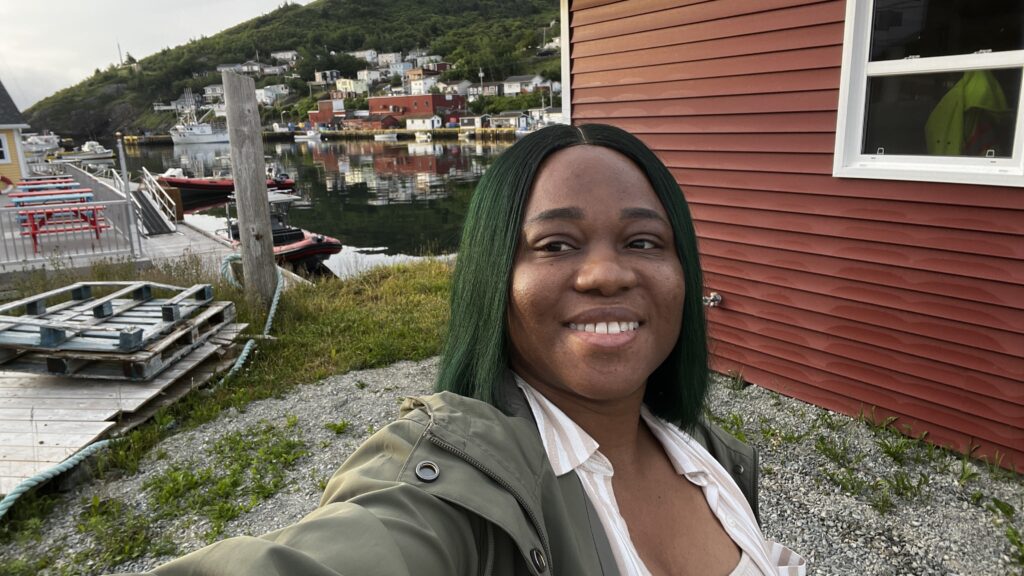
From there, I drove the Irish Loop, and the conditions shifted as the day went on. Some stops were foggy and colder, while others opened up into clearer skies and slightly warmer temperatures. It was one of the clearest reminders of how quickly things can change out here, sometimes within the same hour.
Late Afternoon – The Rooms
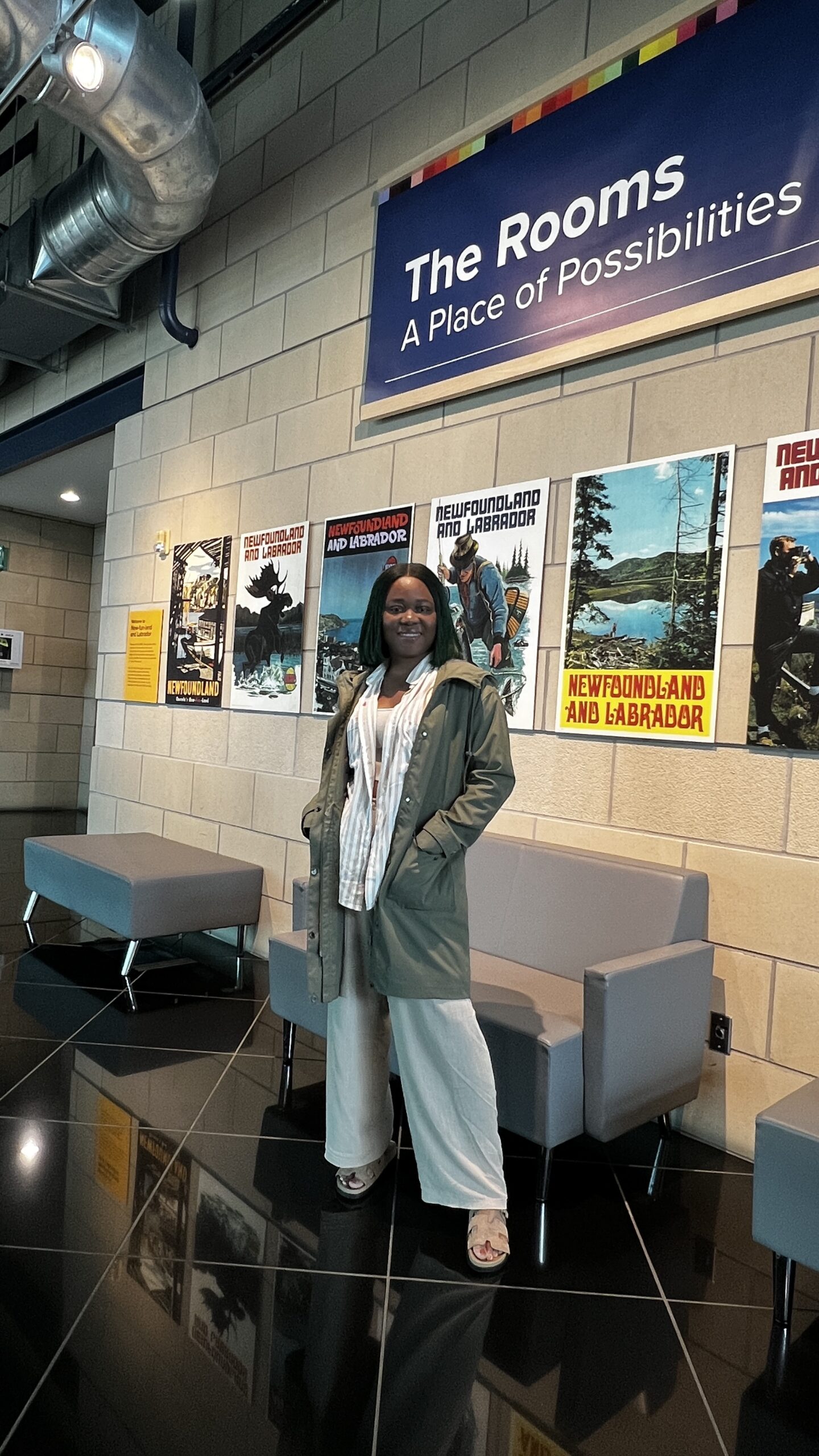
After the drive and a long rest, I stopped by The Rooms, which is best described as Newfoundland’s cultural heart, home to an extensive collection of artifacts, art, and archival records. I spent some time learning how to appreciate art, which felt like a quieter, more reflective pace after a full morning outdoors.
After being out in the wind all day, the indoor warmth was noticeable. Stepping back outside, the cooler air returned quickly.
Evening – Screech-In Ceremony
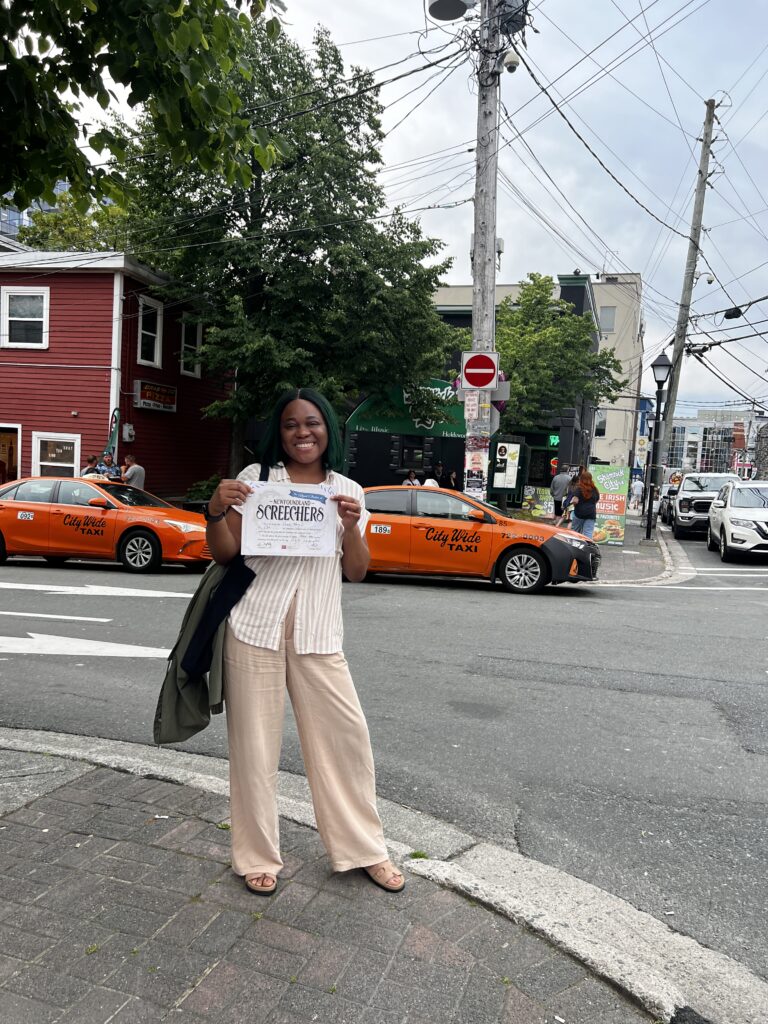
I kissed a fish and I liked it. Let me explain. To wrap up my trip, I decided to become an honorary Newfoundlander, so I spent the evening on George Street taking part in a Screech-In Ceremony at Christian’s Pub. It’s a relaxed, social experience where visitors are welcomed into the fold, and as part of the ceremony we were required to speak like a Newfoundlander, drink like one, and yes, kiss a fish.
Most of the time was spent indoors, but stepping outside between venues, the cooler evening air was still noticeable.
Conditions:
- Morning: 12–15°C, windy and felt cooler.
- Midday: 17–19°C, clearer
- Evening: 11–13°C, cooler.
What I wore:
Trousers, base layer, short-sleeve button-down shirt, and a wind-resistant jacket.
Did it work?
Yes, across the board. The layered outfit handled everything from exposed coastal wind in the early morning to warm indoor spaces to a cooler evening without needing a full change. The one moment it felt slightly lacking was at Cape Spear, where the wind made the cold feel sharper than expected.
What I’d do differently:
Add a slightly warmer mid-layer for more exposed stops like Cape Spear, but keep the same overall structure. Everything else confirmed that easy-to-remove layers are just as important as warmth, especially on a day that moves through this many different conditions.
What This Means for What You Should Actually Pack for St. John’s in July
Looking back, I didn’t need more outfits. I needed better combinations.
Across the three days, the conditions kept changing. Even within a single day, what worked in one place didn’t always hold up in another.
I didn’t get it right at first, but over the course of the trip, it became clear what would have worked consistently.
A simple structure would have made the biggest difference:
Base layer, Outer layer, and Comfortable shoes
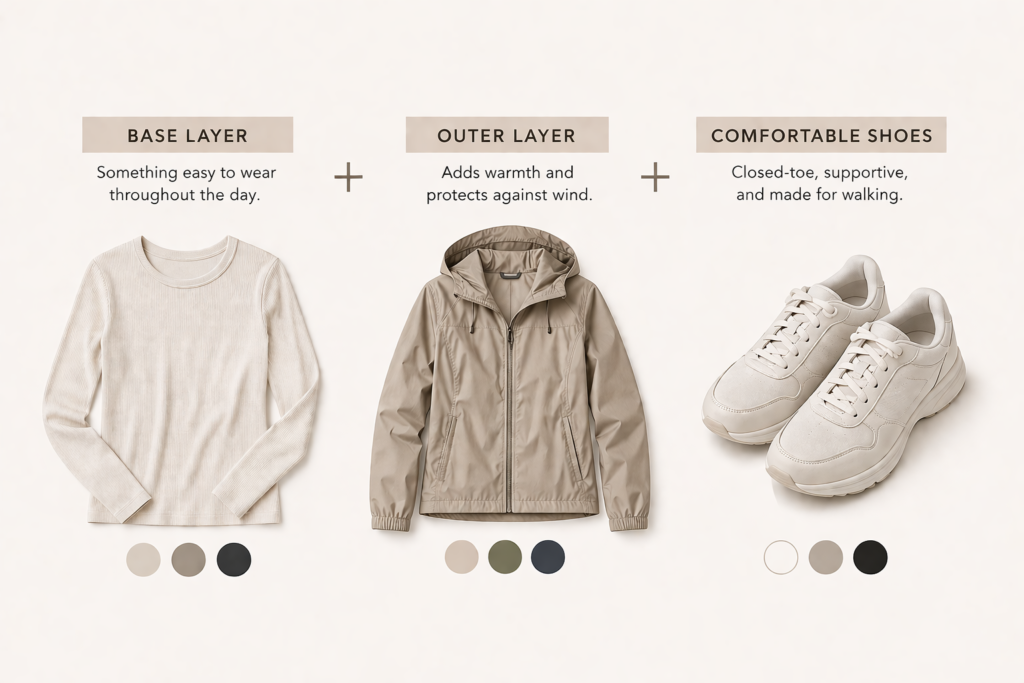
- Base layer: something easy to wear throughout the day
- Outer layer: something that adds warmth and protects against wind
- Comfortable shoes: closed-toe, supportive, and suitable for walking
With these in place, I wouldn’t need to keep changing outfits. I would just adjust layers as the day changed.
Quick Packing List
- Lightweight base layers
- 1–2 sweaters or knits
- Wind-resistant jacket
- Comfortable shoes (closed-toe)
- Light coat or hoodie (optional but useful)
- Cap or hat for daytime (optional)
If you want a more detailed version of this system, you can use this as a starting point: Ultimate Travel Packing Checklist
Packing for St. John’s in July isn’t about getting every outfit exactly right. It’s about being prepared for change.
When you plan for shifting weather, wind, and movement, you don’t need as much as you think. You just need pieces that work together and the flexibility to adjust them as the day unfolds.